

Residential | Paragraph 84 Project
Water Lily House
How we helped:
- Pre-planning energy strategy
- Paragraph 84 feasibility study
- Energy strategy development
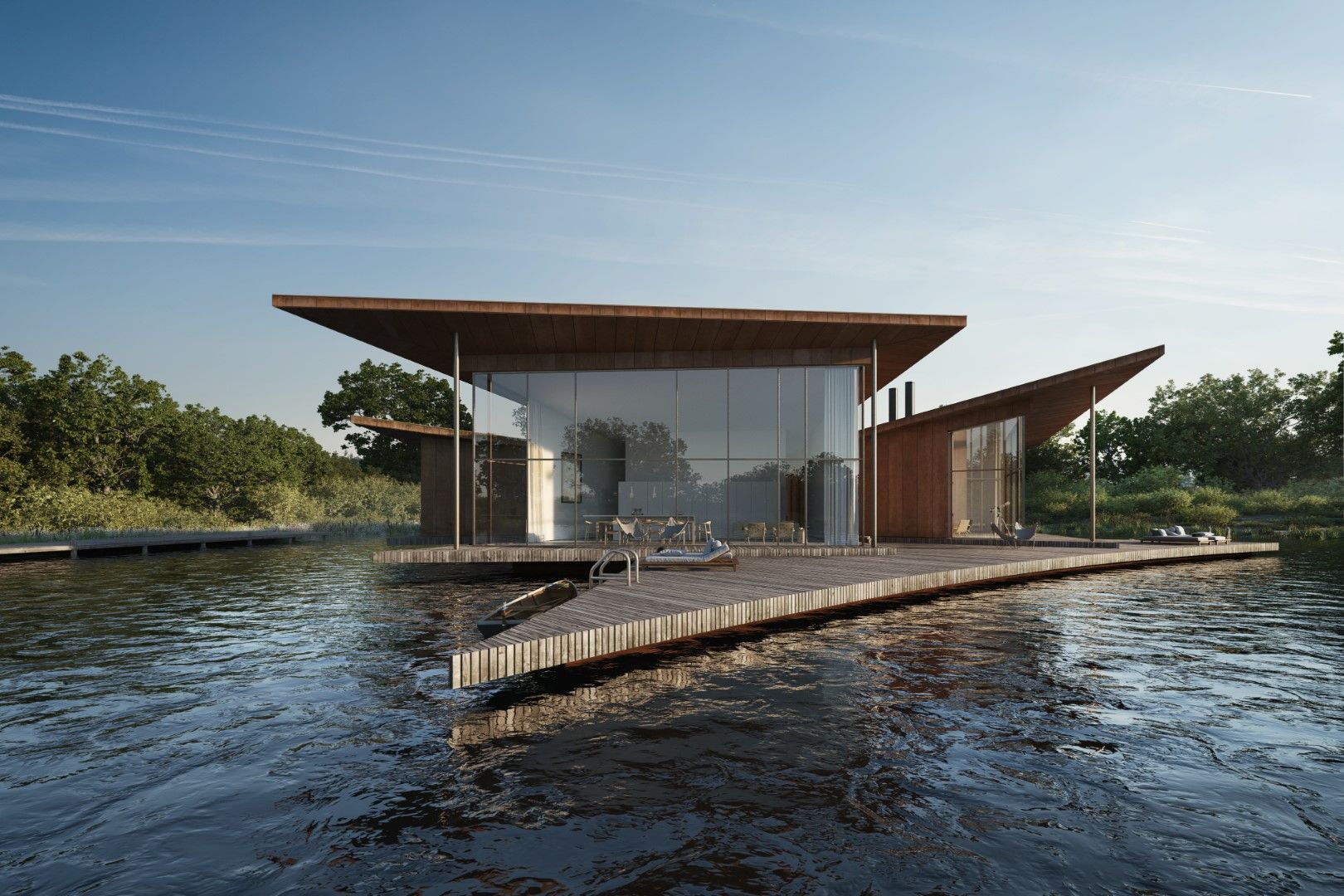
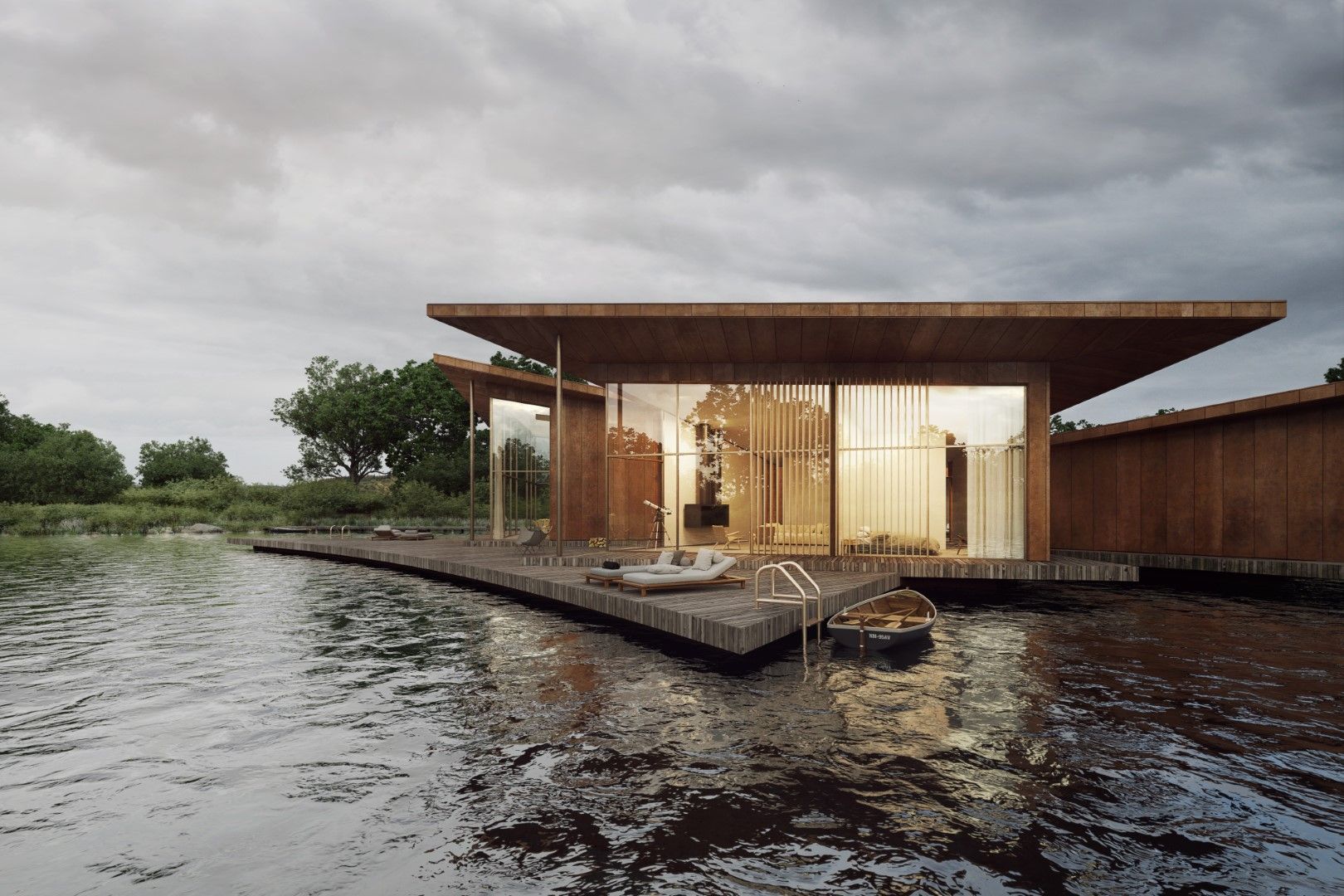
Water Lily House is a totally unique design by AR Design Studio, for a floating low energy home which was submitted for Paragraph 84 planning approval.
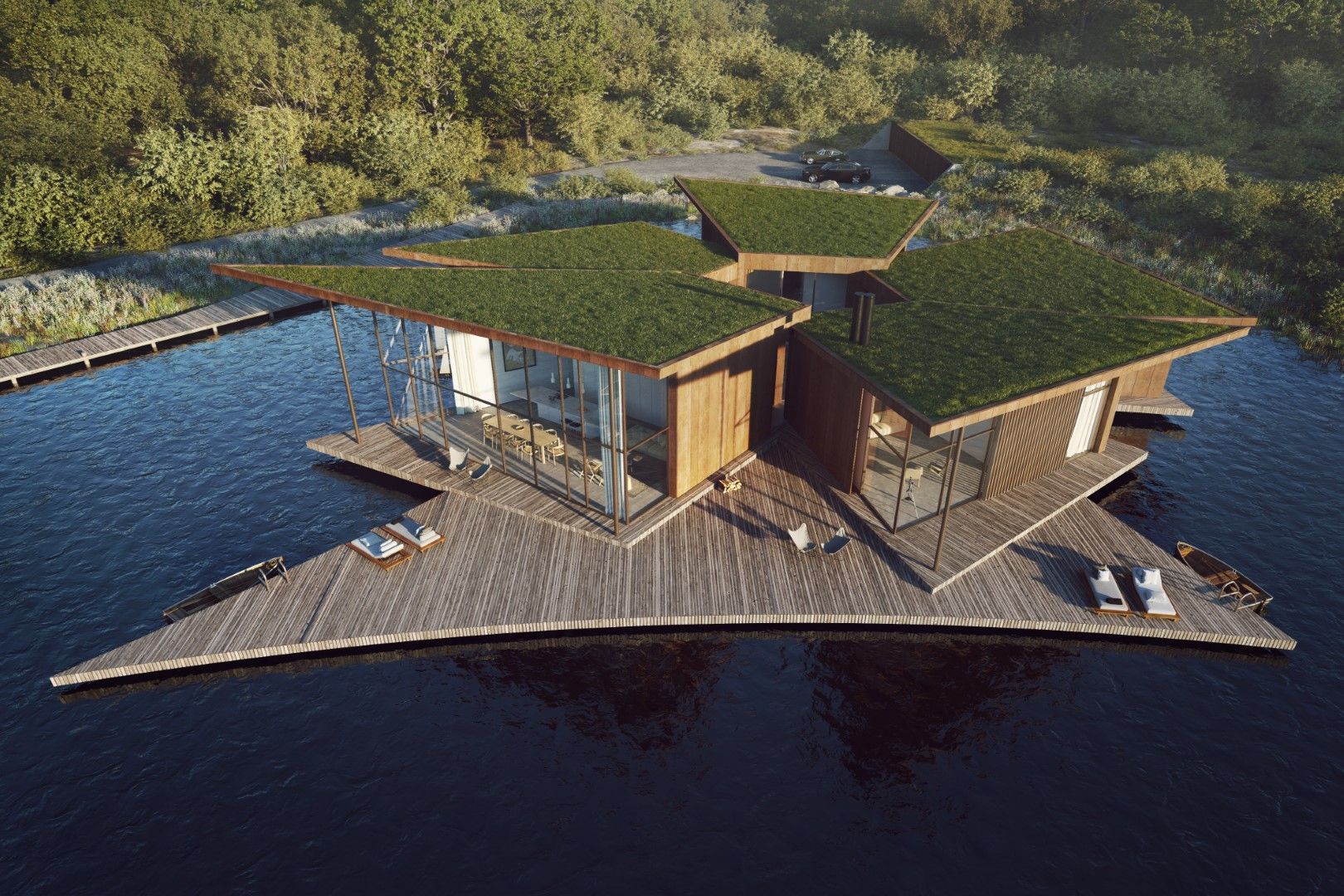
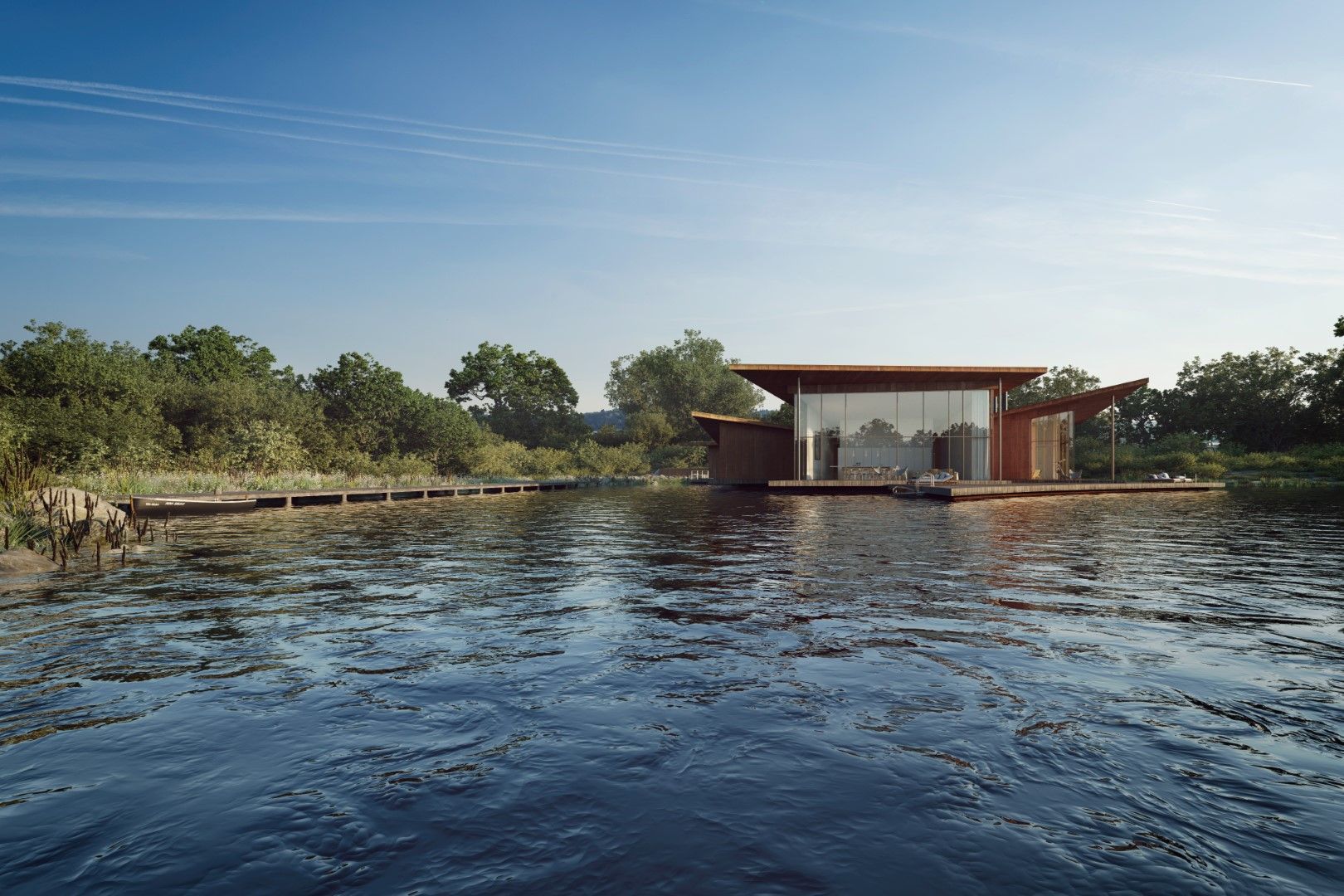
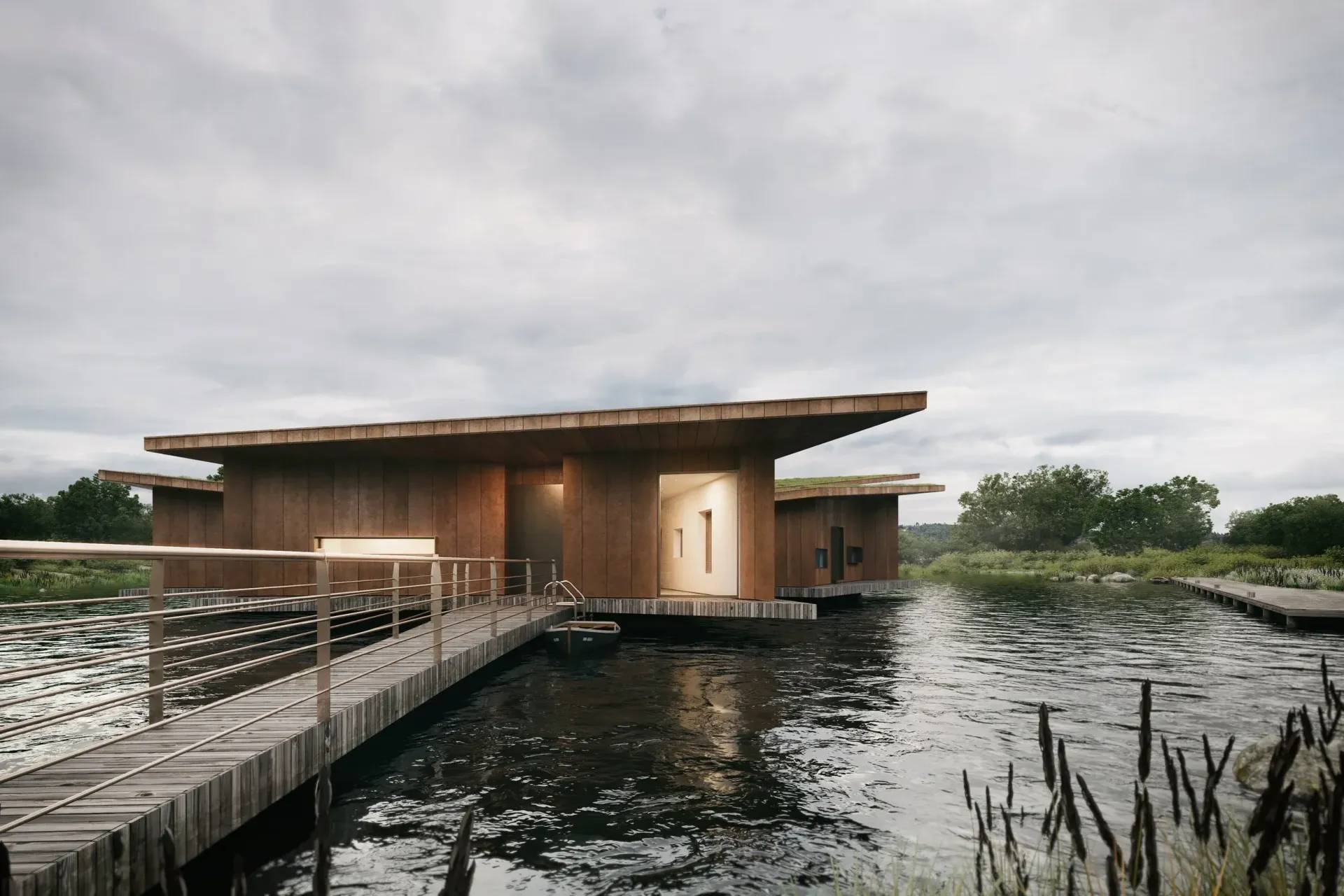
The house sits on the surface of the water in a disused reservoir that once serviced the surrounding agricultural fields. The design team saw an opportunity for the lake to become an integral asset to the site by improving the quality of the existing reservoir and the relationship between land and water.
An Emphasis on Biodiversity
An emphasis on biodiversity informed the initial concept design, leaning heavily on a symbiotic relationship between the building and site. This has been distilled within the design process, and from this the form of the water lily emerged.
The scheme mimics the lily’s qualities. The leaves of the plant float on the water’s surface shading the area below. This helps to manage temperature extremes, reduce algae growth and protect pond life from predators.
The siting of the dwelling offered the opportunity to take full advantage of the 360-degree panoramic views of the site. The design responds with a radial abstract form, comprising of a series of compartmentalised ‘pods’. Each is orientated to capture specific views within the site that are further enriched by a detailed landscape and lake design scheme
Energy Strategy Development
As the project required exceptional architecture and strong environmental credentials, Mesh was appointed to undertake a site-wide, pre-planning feasibility study looking at the most suitable energy strategy.
This was followed by a full scope analysis to review, research and propose innovative holistic lake energy and water solutions, providing a better understanding of the practical feasibility, key economic considerations and long-term benefits.
A Strategy to Take Energy from the Sun and the Water
The home, shaped like a lily pad and formed into angular pods, would use energy from the water and the sun to power it in its entirety. An innovative floating solar PV array on its own island would harvest energy from the sun through the day, whilst a tethered ground source heat pump using a submersible heat exchange pod would efficiently gather natural energy from the water all year round to power heating and hot water.
The reservoir would be converted into a wildlife lake that would use a unique and innovative combination of technologies to provide the full energy and water requirements for self sufficiency. As a result, the new dwelling would have zero net external energy requirement, achieved by looking specifically at the building fabric, space and water heating demands, on-site energy generation and water efficiency measures.
Passive Heating and Cooling
The building has been designed to minimise the need for mechanical heating and cooling and where possible utilises passive heating and cooling.
Four separate innovative technologies were proposed to meet the space and water heating, electricity demand, ventilation and water use. These are:
- Water source heat pump
- Solar photovoltaics designed as a floating solar array and battery package and battery technology
- Mechanical ventilation with heat recovery
- Demand controlled ventilation
- Grey and rain water harvesting.
Planning Success
Following a lengthy and challenging planning process, planning permission for this scheme was granted. This required under Paragraph 84, a design approach of the very highest quality.
This was the first paragraph 84 dwelling to gain permission within the administrative area of Winchester City Council, and the first within Hampshire.
Project Team
Architects: AR Design Studio
Planning Consultant: Fredrick Adam
Landscape Architects:
Terra Firma / Mike Ibbotson
Images – AR Design Studio