

Public and Community Buildings
Westonbirt, The National Arboretum
How we helped:
- Renewable energy feasibility study
- Initial fabric optimisation (IFO)
- Dynamic overheating and ventilation modelling
- Building energy and electrical capacity analysis
- Low-carbon space heating and hot water strategy
Futureproofing Visitor Buildings in a Grade I Landscape
Westonbirt, The National Arboretum near Tetbury in Gloucestershire, has one of the world’s most celebrated botanical collections. It is home to over 2,500 different species of trees and shrubs gathered from across the globe, as well as five national tree collections.
Created in the 1800s by Victorian landowner Robert Holford and his family, the 600-acre estate has been managed by Forestry England since 1956. The arboretum now welcomes hundreds of thousands of visitors every year and is supported by over 300 volunteers. It also conducts important scientific research and plays a significant role in education and international tree conservation of some of the world’s rarest trees.
The arboretum is now one of the most visited pay-to-enter attractions in the Southwest. Visitor numbers have doubled in the last 10 years, putting greater pressure on the park’s infrastructure, along with balancing the additional challenge of climate change.
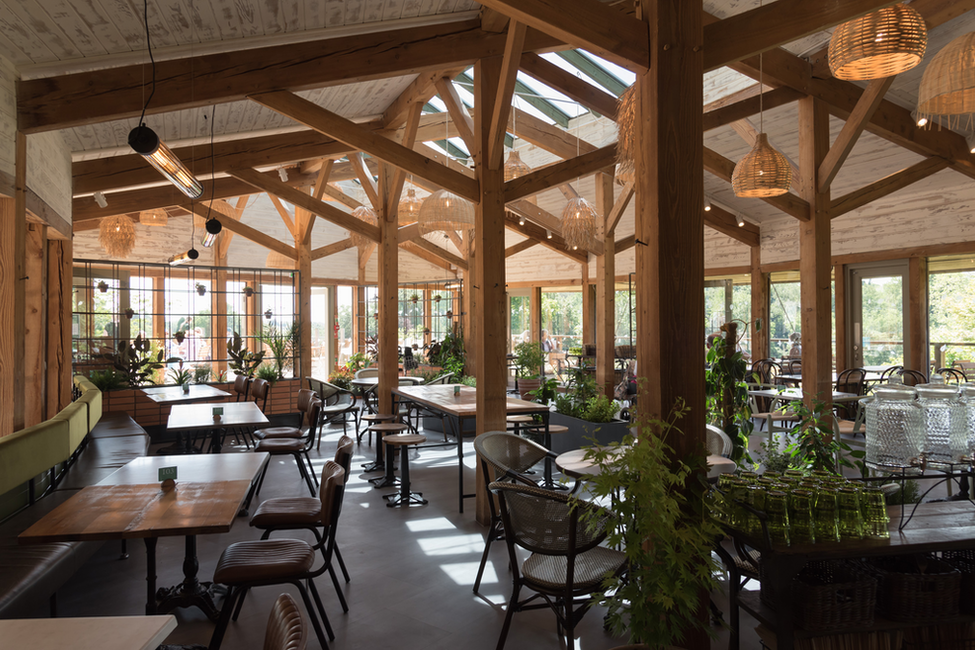
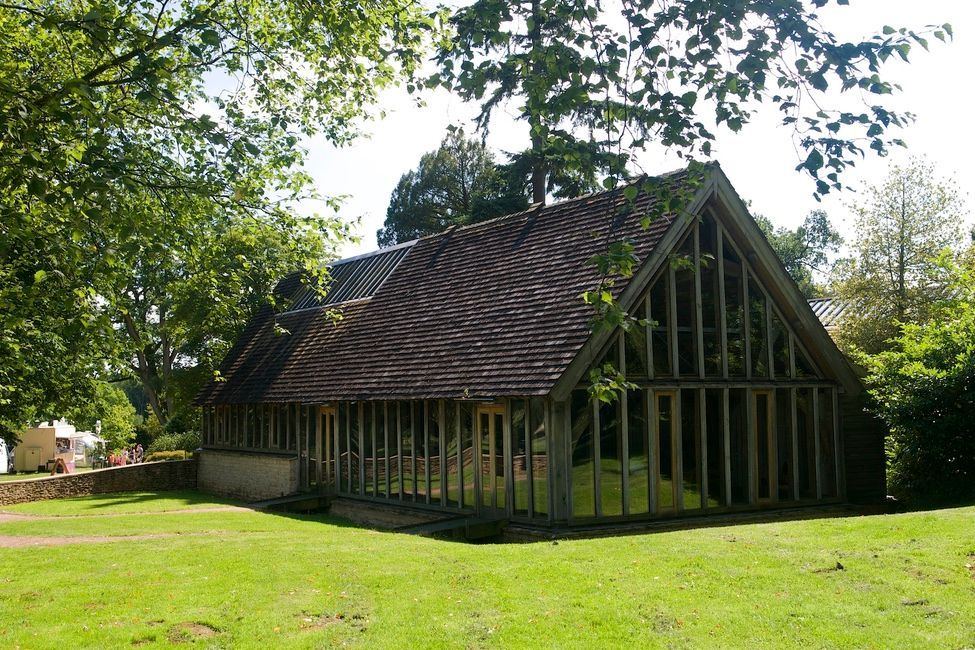
This has created the need for a long-term, sustainable plan to improve the energy efficiency and decarbonisation of the buildings on the estate – from the visitor’s centre, café and restaurant to the Great Oak Hall, offices and other amenities.
Developing a Clear Pathway towards Decarbonisation
Following a tender process, Forestry England appointed Mesh to develop a clear, practical pathway towards reducing carbon emissions and improving sustainability as part of its wider commitment to achieving net zero and reducing reliance on fossil fuels.
The studies aimed to assess the use of renewable technologies for heating and hot water, enhance comfort for staff and visitors, and address the need to expand facilities in line with increasing visitor numbers – all within a Grade I heritage landscape.
Studies to Assess Feasibility, Economic Viability and Long-term Benefits
Mesh carried out a series of integrated building performance and services engineering assessments to help the client understand the practical feasibility of different systems, the economic considerations – capital versus operational cost – and the long-term benefits of the strategies proposed.
This analysis looked at:
- Increasing use of renewable technologies: evaluating the feasibility of air and ground source heat pumps, solar photovoltaics, EV charging, comfort cooling, wind catchers, heat emitters, and instant electric hot water systems.
- Fabric optimisation: detailed analysis of walls, insulation, floors, roofs and glazing to identify cost-effective upgrades with realistic payback periods and embodied-carbon impacts for some of the existing offices as a refurbishment-first approach.
- Overheating and ventilation analysis: dynamic thermal modelling (TM52) to mitigate overheating particularly in peak summer months and the impact of climate change on occupier comfort. The study investigated cooling using heat pumps, the viability of mechanical ventilation and heat recovery (MVHR) and solutions to increase natural ventilation as alternatives to carbon and energy-intensive air conditioning.
- Electrical infrastructure and capacity review: assessing the existing site electrical supply and predicting energy supply and demand to accommodate future electrification, EV charging and additional loads from Westonbirt’s summer event programme.
- The analyses used dynamic simulation models for each building to create an integrated energy strategy that simplified decision-making and cost planning for the client.
Project Challenges
- Each building varied in age, construction and use. Achieving a consistent approach required careful balancing of performance and practicality.
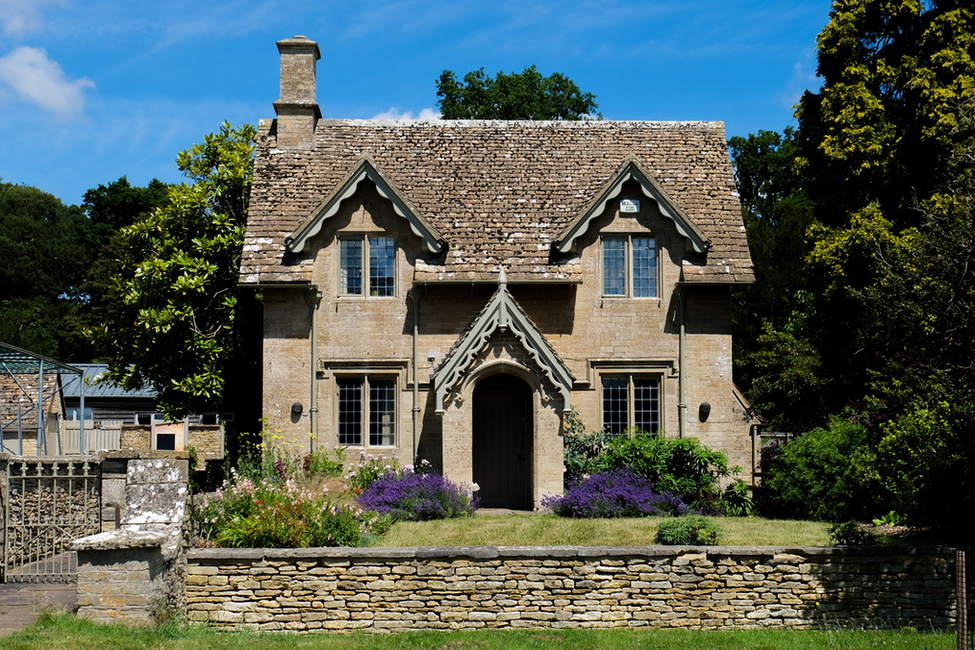
- Further complexity arose from Westonbirt’s Grade I landscape status, which requires careful consideration of plant installations and changes to heritage buildings.
- The electrical supply in this rural location was originally designed for smaller scale loads and required significant investigation to ensure future compatibility with all-electric systems, such as instant hot water and transitioning away from fossil fuels to heat pumps and installation of EV chargers.

Our Recommendations
Following the integrated analysis, our strategies for reducing carbon emissions and energy costs included:
- Air-source heat pumps (ASHPs) as the most viable low-carbon space heating solution compared to existing gas systems.
- On-demand direct electric hot water systems – to address variable visitor footfall and use of toilet facilities and offices.
- Increased natural ventilation to mitigate overheating – installing automatic opening roof vents for the restaurant and educating occupiers to open doors and windows in early mornings during peak summer months. Cooling using heat pumps would further support the move away from air conditioning.
- Fabric improvements – these were modelled for cost, carbon and thermal benefit to guide investment decisions, such as increasing insulation to roofs and external walls.
- Phased upgrading of the electrical supply to accommodate future EV charging, cooling loads and expansion – creating a more resilient estate that can continue to operate sustainably for decades to come.


Customer Insight
Sophie Nash, Programme Manager, Forestry England:
“Our aim with this project was to use detailed analysis to steer our specifications for remediation and upgrading works to improve the energy efficiency and sustainability of our most heavily-used buildings at Westonbirt.
We needed to examine the options for upgrading our electricity capacity which is currently constrained with this being a rural site and yet demand continues to increase. The third element was to undertake a detailed study for overheating and how the predicted rise in temperatures would affect some of our buildings and users in the summer months.
We are happy with the assessments carried out which were very thorough and detailed.
Our intention is to move forward with Mesh’s recommendations and to feed this insight into the design and specification of refurbishment and remediation works in a phased approach. The first of these recommendations have now been actioned, including triple fin radiators when replacements have been needed, and automatic opening rooflights in the restaurant.”