7 October 2026
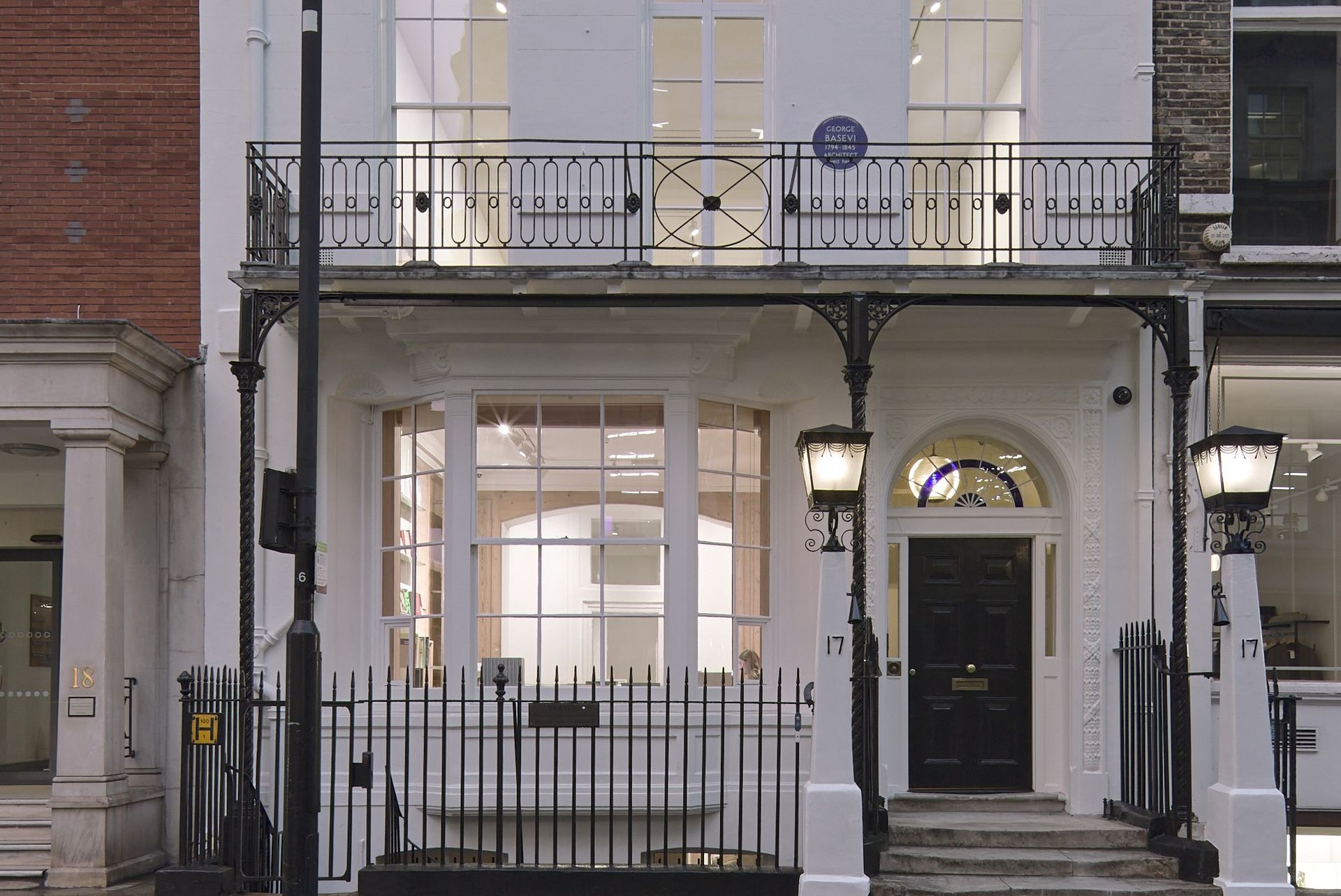
Adapting heritage buildings for modern use creates a particular engineering challenge – how do you deliver comfort and energy performance, within the constraints of a historic building? Doug Johnson, Mesh Founding Director of building performance specialists Mesh, shares his insight from a recent project. When we talk about successful heritage transformations, the conversation usually focuses on the architectural design and the restoration process. Less visible but equally important, is the role of building services engineering. Change of use breathes new life into historic buildings. However, achieving year-round comfort for visitors and occupiers of galleries, offices, hospitality or retail can be challenging, not least when occupancy levels fluctuate. Historic buildings are expected to deliver the same standards of comfort, environmental control and operational performance as modern buildings, yet they were never designed to accommodate contemporary MEP systems. Getting that balance right requires different thinking. A Grade II listed Georgian townhouse in London's Mayfair was recently transformed into a space for contemporary art. This provides a useful illustration of the principles involved and how the challenges were addressed. Dating back to the 1730s, the six-storey building in Mayfair was once home to the Burlington Fine Arts Club. It has now been sensitively converted into a suite of contemporary art galleries for Sadie Coles HQ. The objective was not simply to install heating and cooling. It was to create a comfortable, flexible, efficient and futureproof internal environment whilst ensuring that the engineering services remained almost entirely invisible. The Importance of Designing Around Occupancy A key consideration for intelligent building services design is looking at the predicted occupancy levels and whether these will vary. Museums, galleries, visitor attractions, civic buildings and cultural venues can all move rapidly from quiet periods of low occupancy to large events with significant increases in heat gain and ventilation requirements. Rather than designing for a single occupancy assumption, modelling multiple use scenarios provides a much clearer understanding of how a building needs to perform throughout the year. By analysing different occupancy patterns, environmental conditions and operational requirements, MEP systems can be sized more accurately to avoid both underperforming and over-engineered solutions which increase energy consumption. In heritage projects, this approach is particularly valuable because space for plant and services is often limited. Every piece of equipment needs to justify its inclusion. Early Co-ordination and Integration with the Architectural Design Heritage and listed buildings rarely offer generous service routes. Unlike new-build projects, where risers, ceiling voids and plant spaces can be designed in from the outset, historic buildings often require services to be threaded through a series of constrained voids. This challenge becomes even greater in tall, narrow buildings such as townhouses, where plant may need to serve multiple floors through restricted vertical routes. The lesson is clear – building services engineering has to be designed in from the outset. Early collaboration between architects, engineers and conservation specialists is essential to establish whether the proposed systems are feasible, where equipment can be located and how services can be integrated within the building fabric. The earlier this co-ordination takes place, the greater the opportunity to avoid compromise, reduce project risk and optimise energy efficiency. Increasing Capacity for Heating and Cooling in a Heritage Setting A common response to increasing heating or cooling demands is simply to add more equipment. In many heritage settings, that option is not possible. Planning restrictions, minimising visual impact and noise levels, and conservation requirements often limit the number and location of external plant units. Roofs, courtyards and rear elevations frequently offer little flexibility which demands a more intelligent approach to system design. On the Sadie Coles gallery project, instead of increasing the number of external units, a zoned strategy was developed which matched available plant capacity to individual rooms based on anticipated occupancy patterns and the predicted demand for heating and cooling. This allowed the available capacity to be used with greater energy efficiency whilst maintaining compliance with planning constraints. The broader lesson is that building performance is not solely determined by the quantity of equipment installed. Understanding how spaces are used often unlocks opportunities to achieve enhanced performance within the available infrastructure. Maintaining a Clean Aesthetic The most effective building services design is often the least visible whilst meeting performance requirements. This is particularly true in heritage settings where restored architectural features, historic detailing and carefully considered interiors should remain the focus. Achieving this requires close collaboration with the wider design team. Diffusers, grilles, fan coil units, controls and service routes must be carefully integrated into the architecture rather than be imposed upon it. In gallery environments, there is an additional consideration – the services engineering must not distract from the exhibits themselves, either visually or acoustically. This demands a level of co-ordination and design discipline that goes beyond compliance. Passive Design Matters Any building should be as energy efficient as possible and passive measures often provide some of the most effective opportunities to improve comfort whilst minimising energy consumption. In the Mayfair gallery, a glazed roof lantern was both a beautiful architectural feature and a potential source of overheating. Rather than relying solely on active cooling, actuated roof lights were incorporated into the glazing above to allow warm air to be purged naturally from the space below. Combined with natural ventilation through restored sash windows, this approach reduced cooling demand whilst improving thermal comfort. These principles are not new, but remain highly relevant. Understanding airflow, solar gain and natural ventilation can often deliver significant benefits alongside the design of mechanical systems. Futureproofing Heritage Assets Buildings that have survived for centuries have often done so because they have adapted over time. The services strategy should support that continued evolution. Futureproofing does not necessarily require major additional investment. Sometimes it simply means incorporating connection points, spare capacity or flexible infrastructure that allows future adaptations to be made more easily. In the case of the gallery project, provision was included for supplementary low-level electric heating should the building use change. Such measures may never be required, but they provide resilience and flexibility that can extend the useful life of the building with the least disruption possible. Services Engineering to Support Heritage Buildings Successful heritage refurbishment is not about choosing between conservation and performance. It is about achieving both. The most effective building services solutions are those that support the architectural and client vision, improve comfort, reduce energy consumption and remain largely unseen by the people using the building. When done well, engineering becomes part of the fabric of the building rather than an addition to it. That is ultimately what intelligent building services design should achieve – modern performance delivered in a way that respects the past whilst preparing buildings for the future. The Project Team: Client: Sadie Coles HQ Lead contractor (design and delivery): Work Ltd Architectural partner: Giles Reid Architects MEP design / building performance: Mesh About Mesh Mesh offers a range of design and engineering services to help organisations in the public and private sectors to improve the energy efficiency of new and existing buildings, housing and estates. This includes support for architects; planning; thermal modelling and overheating analyses; carbon reduction strategies; feasibility studies for renewable technologies; MEP design, and regulatory compliance.