M&E Consultant in Surrey for Low-Carbon Buildings

Mesh Energy is an independent M&E consultant based in Farnham, Surrey. We design the mechanical and electrical systems that heat, ventilate, light and power low-carbon homes, housing developments and commercial buildings across Surrey. Our MEP engineers work alongside our building performance team from concept design at RIBA Stage 0 through to handover, so every system is sized to the building it serves.


We work with architects, developers, housebuilders, homeowners and public sector clients, on projects ranging from one-off homes to developments worth £50m or more in construction value.

Book a scoping call

What does an M&E consultant do?

An M&E (mechanical and electrical) consultant designs a building's engineering services: heating, cooling, ventilation, hot water, power and lighting. The consultant sizes each system, coordinates it with the architecture and structure, and produces the drawings and specifications that contractors price and build from.


MEP (mechanical, electrical and public health) describes the same discipline with water services included. A good M&E consultant also designs for Building Regulations from the start, including Part L for energy efficiency and Part O for overheating, so compliance is built into the design rather than fixed on site.

CONTACT THE TEAM
Stack of documents with a teal checkmark icon indicating approval or completion

What M&E and MEP services do we offer in Surrey?

We provide full M&E and MEP design for new build, refurbishment and heritage projects in Surrey, including:

  • Heating, cooling and HVAC design: low-energy systems sized from building physics modelling, so plant is neither undersized nor over-engineered.
  • Ventilation design: mechanical ventilation with heat recovery (MVHR) and natural ventilation strategies that balance air quality, comfort and energy use.
  • Heat pump and renewable energy design: heat pumps and solar PV, chosen and sized to suit the building, the site and the client's budget.
  • Electrical and lighting design: power distribution, small power, lighting, emergency lighting, metering and EV charging.
  • BIM coordination and clash detection: coordinated Revit models that resolve clashes between services, structure and architecture before work starts on site.
  • Planning and compliance support: energy and sustainability statements, Part L and Part O compliance, and overheating analysis.


Find out more about our building services design and MEP engineering services.

Where in Surrey do we work?

Our office is in Farnham, on the Surrey and Hampshire border. We work on projects across the county, including Guildford, Woking, Godalming, Haslemere, Cranleigh, Dorking, Reigate, Epsom and the wider Waverley area. [Confirm]


Being local means we can attend site meetings and design team workshops in person. It also means we understand the energy and sustainability requirements Surrey's planning authorities expect to see in an application. [Confirm] Beyond Surrey, we work across London, the South East and the rest of the UK.

Learn More
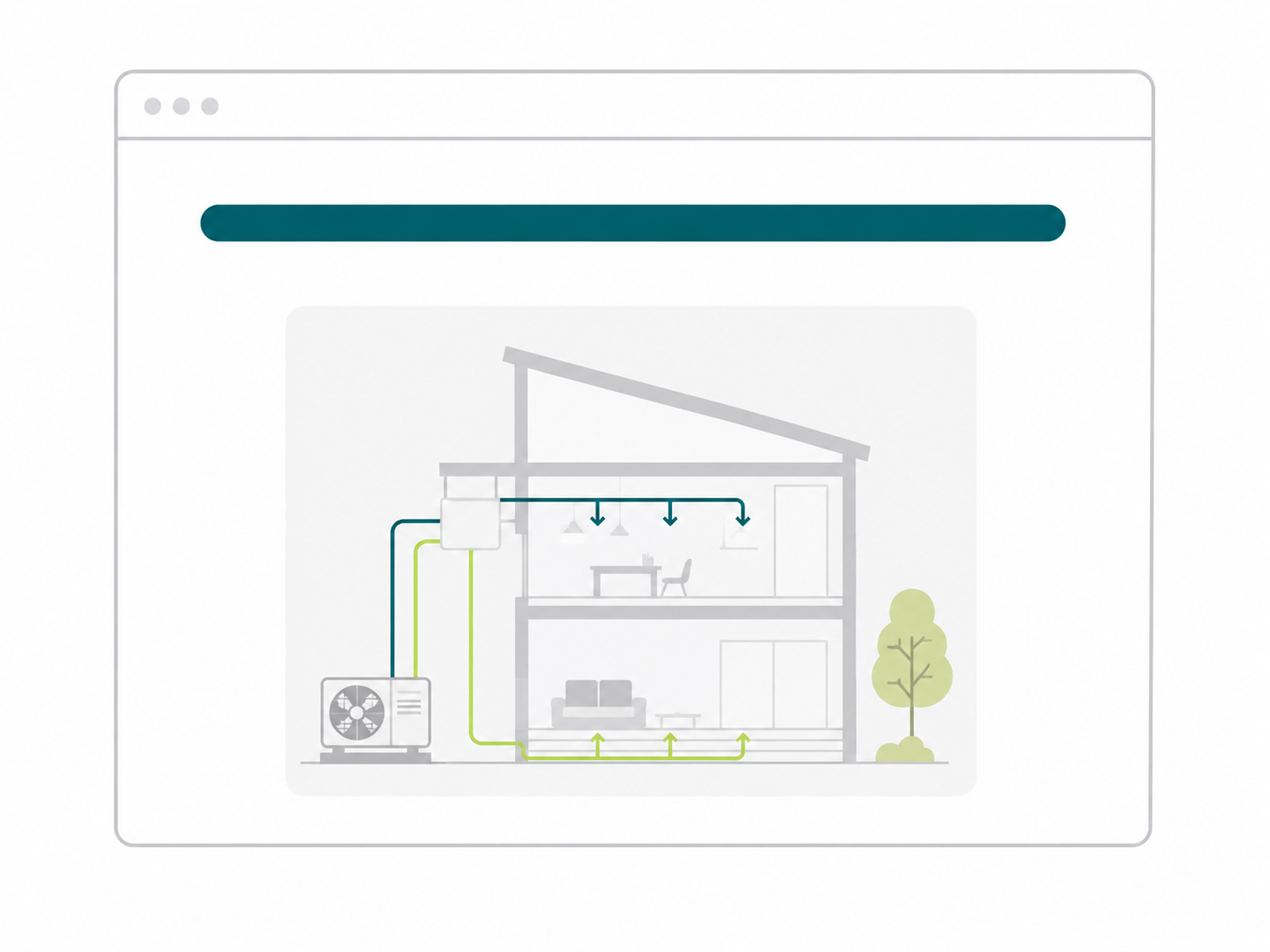
Illustration of a house interior section with HVAC ducting and an outdoor unit on a laptop screen.

What Surrey projects have we worked on?

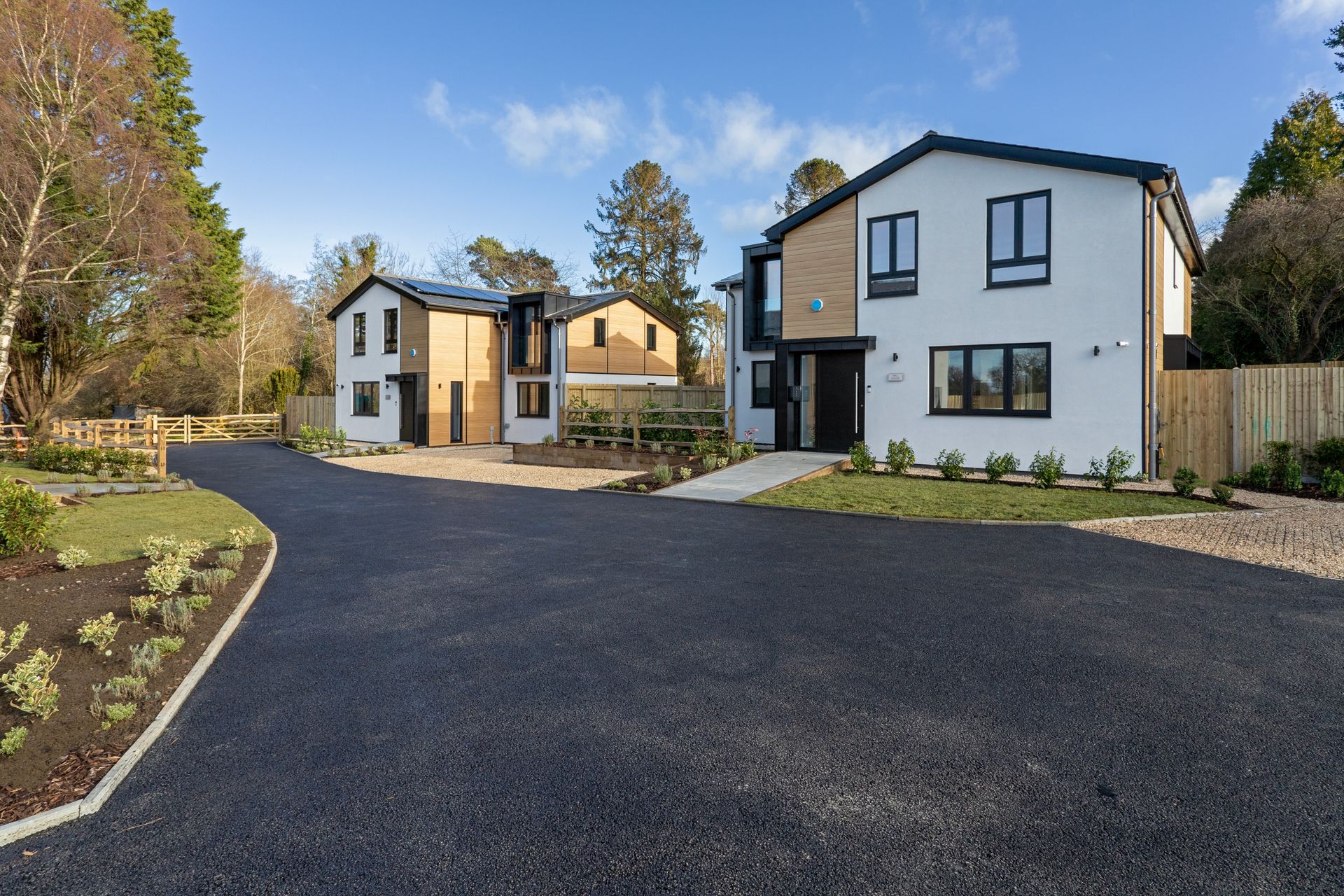
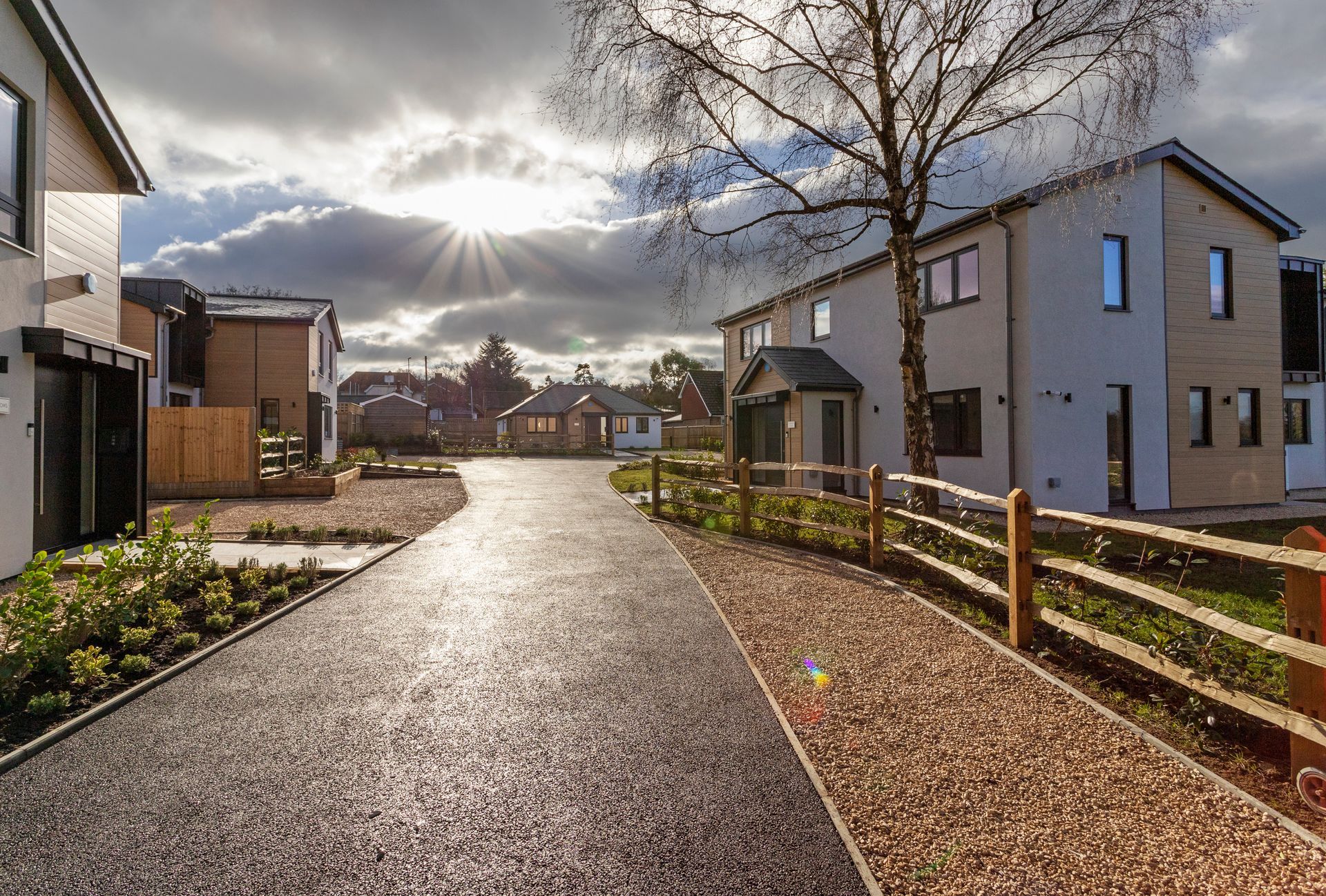
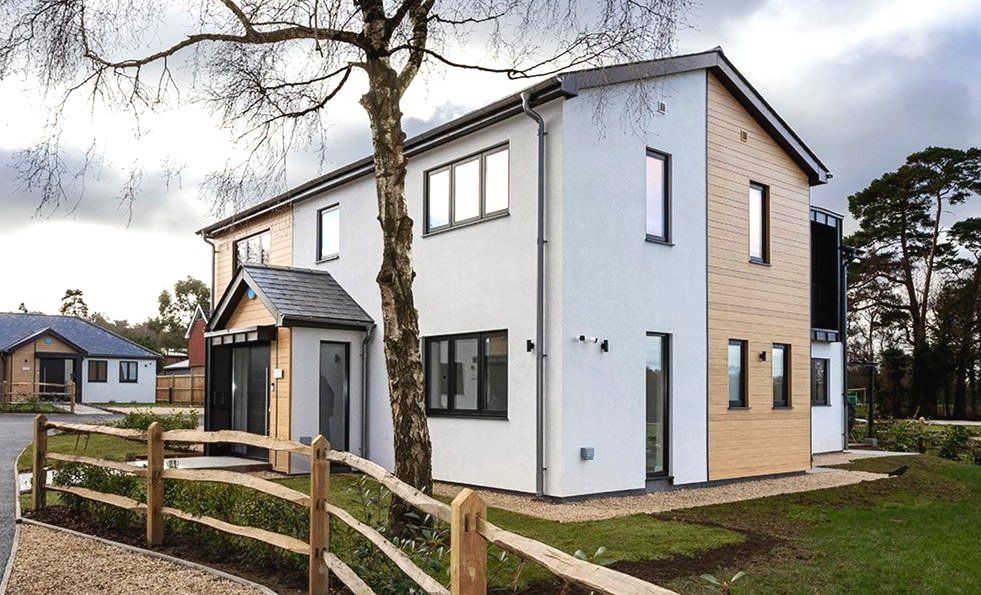
Grouse Grange: energy efficient homes on the Surrey and West Sussex border

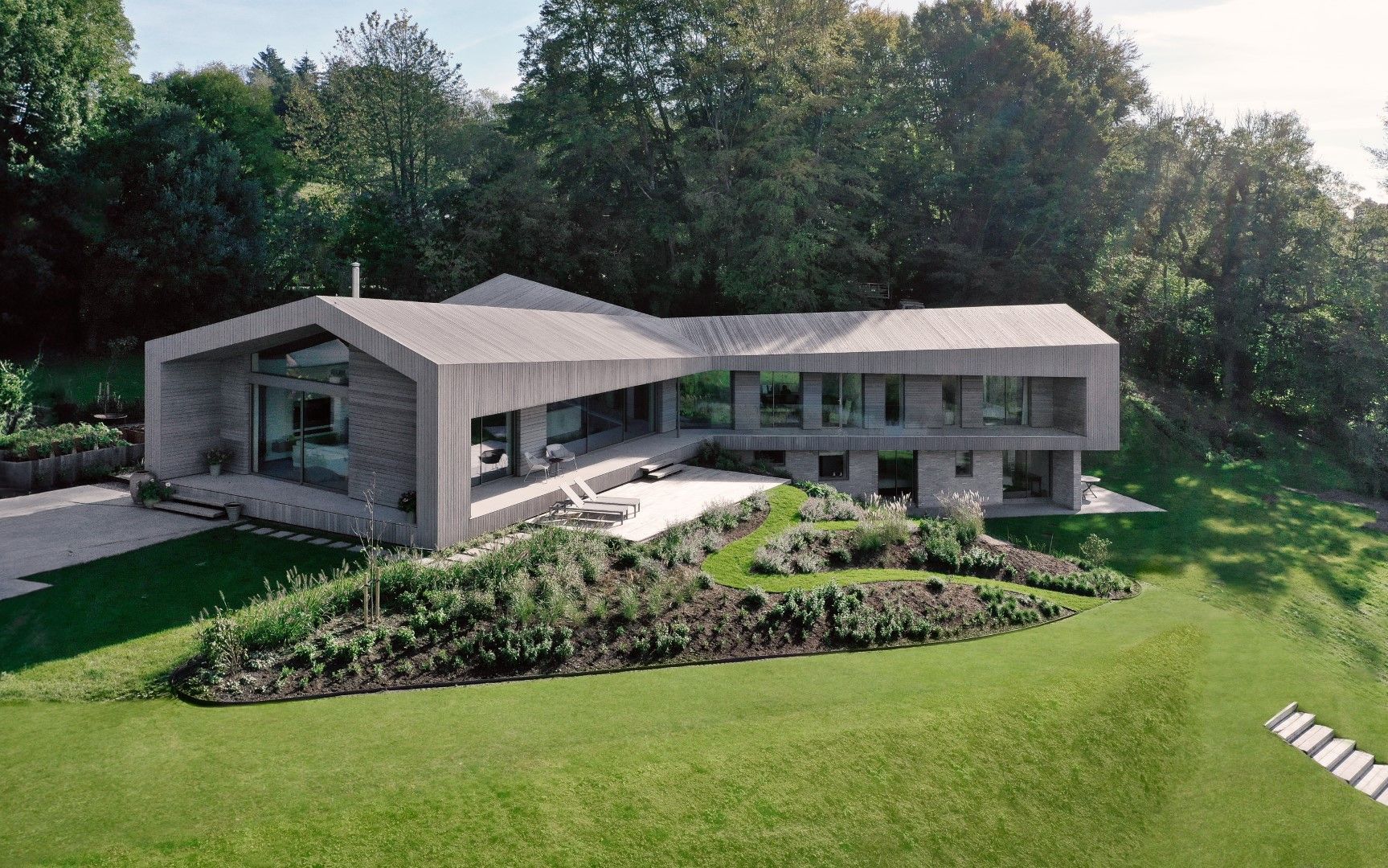
Pivot Developments asked us to support Grouse Grange, four three- and four-bedroom homes designed by Ecotecture, on the outskirts of Copthorne on the Surrey and West Sussex border [Confirm]. The brief was to prove that market-leading energy efficient homes could stay cost effective.


We joined at concept design, before planning was submitted. That gave us time to run a feasibility study on the M&E options and shape the MEP strategy around the Energy Hierarchy: be lean, be green, be clean.


The strategy paired a fabric first approach with solar PV that diverts surplus electricity to water heating, MVHR with preheat, and heat recovery on the shower outlets. We also completed the SAP calculations, the Part G water efficiency calculations and the planning energy statement.


Result: the homes achieved an EPC A rating, with estimated energy cost savings of up to 75% compared with a typical UK home. Read the Grouse Grange case study.
56 Homes, Alfold: an all-electric strategy for a new village development

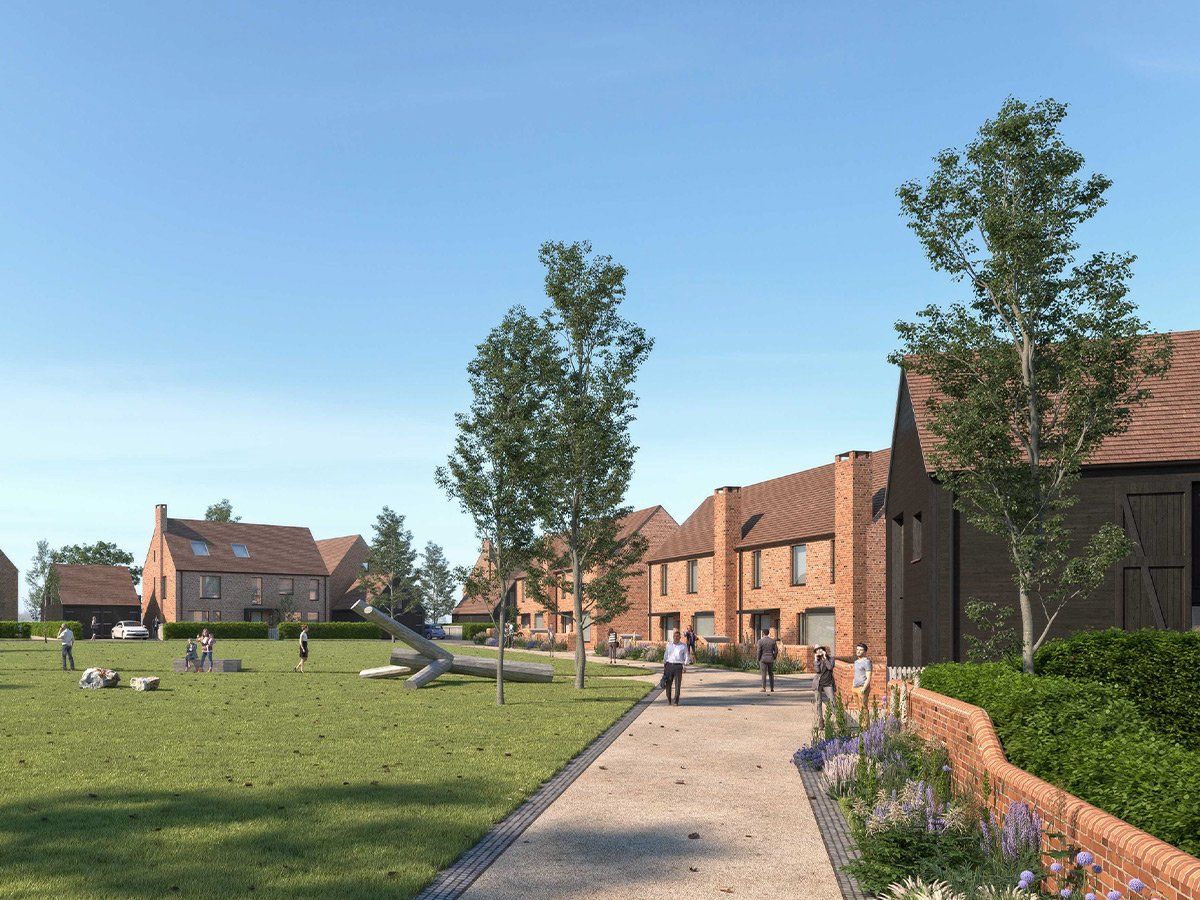
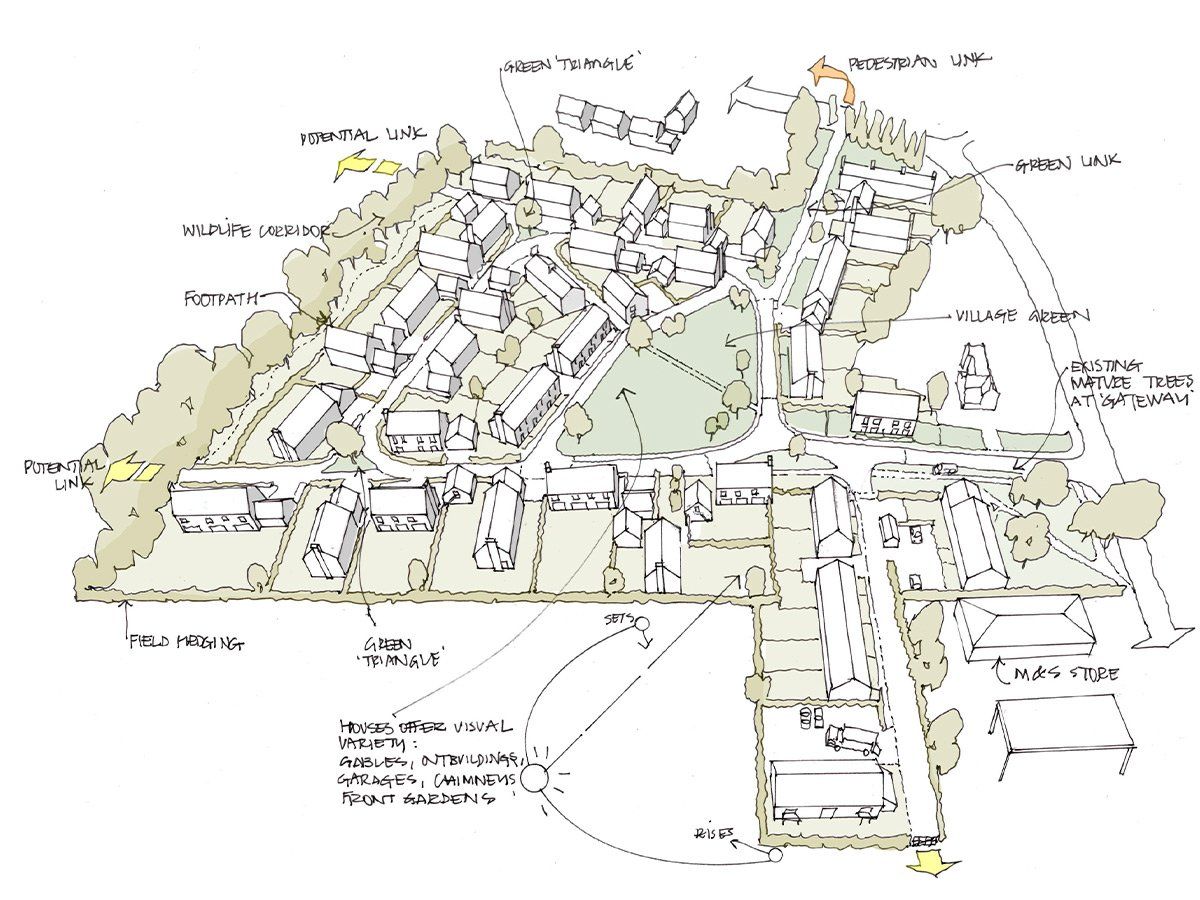
This 56-home scheme by John Pardey Architects sits on a former garden nursery at the edge of Alfold, in the borough of Waverley. Local planning policy required the development to cut its overall energy demand through both the building fabric and low-carbon technology.


We completed a high-level feasibility study and the sustainability statement, and set the MEP strategy for an all-electric site. Our renewables advice identified air source heat pumps as the most appropriate technology for the scheme.


Result: combined with a strong fabric first approach, the strategy is projected to cut total energy use by 48% against the baseline. Read the Alfold case study.
Who leads our M&E design work?

Dan Grammer-Taylor leads Mesh's M&E team as M&E Team Lead [Confirm]. Before joining Mesh, Dan designed mechanical and electrical systems for manufacturers, contractors and consultancies, on homes, shops, hotels and stadiums. That range means he understands a design from the client's, the installer's and the supplier's point of view.

At Mesh, Dan designs renewable energy systems and low-energy mechanical ventilation, working in Revit and AutoCAD. [Confirm: Dan's qualifications and professional memberships to add here.]

"The cheapest time to solve a building services problem is before planning. If we test the heating, ventilation and renewables options at concept stage, the systems end up smaller, simpler and cheaper to run."
Dan Grammer-Taylor, M&E Team Lead, Mesh Energy
Simple black line drawing of a building with two small trees on either side.

Why choose Mesh as your M&E consultant in Surrey?

Our M&E engineers and building performance consultants work as one team. We model how a building will actually perform before we size the systems that serve it, which avoids oversized plant, reduces running costs and lowers the risk of late design changes. It is the approach behind our founder Doug Johnson's book, Right First Time.


Mesh is a certified B Corporation. Our memberships and accreditations include the Institution of Mechanical Engineers (IMechE), RIBA, the AECB and BRE, and CIBSE Low Carbon Consultants [Confirm]. We won Regional Energy Efficiency Consultancy of the Year at the South East Energy Efficiency Awards, and were recently named runner up for Energy Consultancy of the Year at the National Energy Efficiency Awards.

Contact Us

When should you bring in an M&E consultant?

As early as possible: ideally before planning, as soon as your architect has a concept design you want to take forward. At that stage we can test energy efficiency and thermal comfort, choose the right heating and renewables, and avoid expensive changes later in the programme.


We support projects at every RIBA stage, from Stage 0 strategy to Stage 7 in use. See how we work with architects at Stages 0 to 3, Stage 4 and Stages 5 to 7.
How will the Future Homes Standard affect new homes in Surrey?

The Future Homes Standard comes into force in England on 24 March 2027, with a 12-month transitional period to March 2028. The government published the regulations on 24 March 2026.


New homes built to the standard must produce at least 75% less carbon than homes built to 2013 standards. In practice, that means low-carbon heating, usually a heat pump, plus on-site solar PV as standard.


Schemes in design today will be built under these rules, so the heating and renewables strategy needs settling now. That is where M&E design and building performance modelling meet, and where we can help most.

CONTACT THE TEAM

Frequently asked questions

  • What is the difference between M&E and MEP?

    M&E covers mechanical and electrical services: heating, cooling, ventilation, power and lighting. MEP adds public health, meaning water services. Many consultants use the terms interchangeably, and we provide both.

  • How much does an M&E consultant cost in Surrey?

    Fees depend on the size and type of project, the RIBA stage, and whether you need a strategy, a full design package or both. After a short scoping call and project analysis, we send a clear fee proposal for your project.

  • Do you only work in Surrey?

    No. Our office is in Farnham and we work across Surrey, London, the South East and the rest of the UK.

  • Can you write a planning energy statement for a Surrey project?

    Yes. We write energy and sustainability statements that show how a scheme meets local planning policy, as we did for Grouse Grange and the 56-home Alfold development.

  • Do you work directly with homeowners and developers?

    Yes. Most of our projects come through architects, but we also work directly with developers, housebuilders, homeowners and public sector clients.

  • What do you need from us to get started?

    Your current drawings, the RIBA stage you are at, and your goals for energy, comfort and budget. From there, we can recommend the right scope and timing.

Planning a project in Surrey?

Book a scoping call with our M&E team. Call 01420 481573, email info@mesh-energy.com, or visit us at Cambridge House, 8 East Street, Farnham, GU9 7RX.

Book a scoping call

Latest Insights

People walking under colorful autumn trees in a park
by Doug Johnson • 3 November 2026
Learn how Mesh Energy enhances energy efficiency and accelerates decarbonisation and a look at a recent project for Forestry England
by Doug Johnson • 28 October 2026
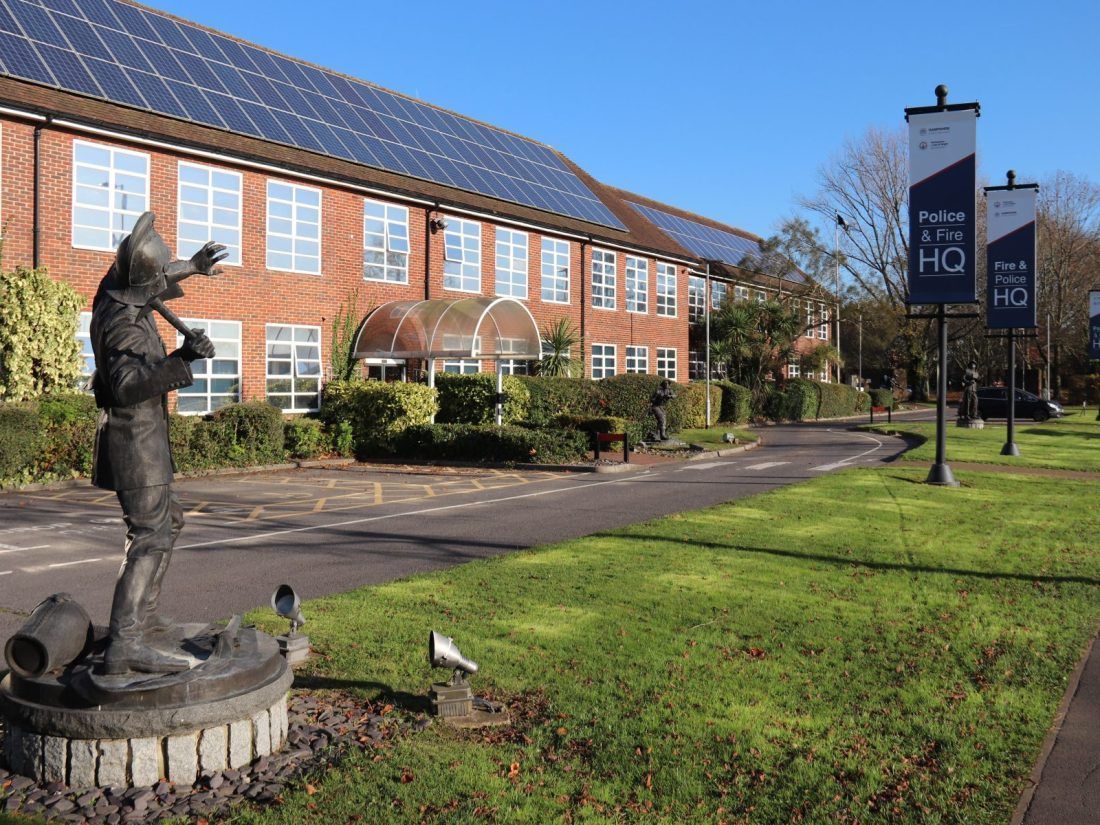
Decarbonising a large building estate is rarely as simple as replacing one technology with another. Doug Johnson, Founding Director of energy and building performance specialists Mesh, looks at the importance of data-led decision-making. For Estates Directors responsible for large property portfolios, the pressure to decarbonise is coming from multiple directions. Organisations need to reduce operational carbon, transition away from fossil fuels, improve energy efficiency, control escalating running costs and maintain occupier comfort, particularly when climate change is leading to more buildings overheating in summer. At the same time, buildings still need to perform their primary function, capital budgets are constrained and major interventions have to be costed and planned. Against that background, it can be tempting to start with the technology – such as heat pumps, solar PV, insulation and new heating systems. However, whilst all of these technologies may form part of the solution, they are rarely the right starting point. Why Assessing Building Performance Matters For a large and diverse estate, the first question should be much simpler – how are our buildings actually performing? This distinction matters because two apparently similar buildings can have very different energy performance profiles depending on age, fabric, heating and hot water systems, controls, condition and patterns of occupation. Understanding these variables will make the difference between a credible long-term decarbonisation strategy, and a costly and disruptive programme of interventions that could fail to deliver the optimum results. Estates directors and strategic property leads are under growing pressure to reduce operational costs, cut carbon emissions and prepare building estates for the transition away from fossil fuels. Yet most estates were never designed as a single asset. They are often a portfolio of buildings from different decades, built to different standards, used in different ways and, in many cases, still running on fossil fuels. Decarbonisation such an estate should not be viewed as a single project. It needs a strategic, evidence-led programme, rather than an individual renewable technology specification. Understanding Actual Buildings Not Assumptions Mesh recently completed a detailed building performance assessment and energy strategy for Hampshire & Isle of Wight Fire & Rescue Service, examining its headquarters in Eastleigh and six fire stations selected to represent the age, scale and typology found across its wider 62-building estate. Occupancy patterns varied enormously, from office-based staff working regular hours in fire stations to facilities that stand largely empty until a crew returns from a call-out and needs the building to become comfortable within minutes. Building fabric, heating controls and hot water demand all varied widely. This is true of most large estates, whether in emergency services, local authorities, education, healthcare or the commercial sector. Treating a diverse portfolio as if it were one building type, or applying a single technology across the board, consistently produces less value and, in some cases, worse outcomes for occupants. Building the Evidence Base The starting point for any credible decarbonisation strategy should be data. For the Hampshire & Isle of Wight project, that meant analysing three years of energy billing data for each of the seven buildings assessed to understand how consumption varied through the year and how each heating system responded to changes in external temperature. This produced a benchmark energy use intensity figure for each building typology, allowing direct comparison against national emergency services benchmarks and establishing a clear baseline against which future improvements can be measured. Alongside this, detailed building fabric assessments quantified heat loss through U-value calculations for roofs and walls, and tested the impact of a range of insulation interventions and materials against both capital cost and payback period. Occupancy patterns, heating and hot water systems, and controls were also assessed. Once this evidence base was in place, solutions could be identified for improvement and a strategy for implementation developed. An Evidence-led Energy Strategy A genuinely evidence-led strategy will rarely point towards a single solution. For some buildings in this estate, relatively low-cost measures made the most sense: Centralising heating controls. Aligning heating schedules with actual occupancy levels rather than fixed assumptions. Replacing stored hot water cylinders with instant systems where demand was variable and unpredictable. In several buildings, radiators needed resizing to improve both energy efficiency and occupier comfort where rooms had previously been reconfigured. The analysis supported a move towards air source heat pumps (ASHPs) to reduce space heating energy consumption by around 50 per cent. However, a full transition to ASHPs raised a significant challenge – heat pumps operate at lower flow rates than gas boilers. This means existing radiator and pipework systems are not always compatible without significant capital investment and operational disruption. Disruption is a key issue for emergency services, as it is for many organisations. The solution was a hybrid approach – heat pumps for handling the majority of annual heating demand, with gas heating retained as back-up during the coldest periods. For an emergency services estate where continuity of service is non-negotiable, this delivered a substantial reduction in carbon and running costs without the capital cost or disruption of complete system replacement. Why This Approach Matters for Estates Directors For facilities or estates manager responsible for a complex property portfolio, this project illustrates a broader principle. Understanding how buildings are actually used and perform through evidence-based analysis – energy data, fabric performance, occupancy patterns and modelling – allows capital investment to be targeted at the remediation work which will deliver the greatest benefit in terms of cost and carbon reduction. According to Carrie Dickson, Energy and Sustainability Officer for Property and Facilities at Hampshire & Isle of Wight Fire & Rescue: “ Our aim with this project was to optimise the energy performance of each building and to apply those learnings to our wider estate across Hampshire and the Isle of Wight. We now have the evidence-based analysis needed to understand which buildings perform well and where improvements and technical adjustments are best targeted to reduce energy consumption. The project data and feasibility studies will also be helpful to inform larger capital projects, both new build and refurbishment.” A Practical Starting Point The Hampshire Fire & Rescue estate project reinforces that the decarbonisation of any building should always be evidence-led. When you understand energy consumption, building fabric, services, controls, occupancy patterns and operational requirements for different building types, solutions can be modelled and optimised, and investment prioritised against energy, carbon and cost reductions and practical deliverability. For Hampshire & Isle of Wight Fire & Rescue Service, this approach has created a clearer route towards improving the performance of its existing buildings and progressively reducing the reliance on fossil fuels. For other organisations facing the same challenge, the principle is equally applicable. About Mesh Mesh offers a range of building performance engineering and M&E design services to help organisations in the public and private sectors to improve the energy efficiency of new and existing buildings, housing and estates. This includes support for architectural design, the planning process, thermal modelling and overheating analyses; carbon reduction strategies; feasibility studies for renewable technologies; MEP design and engineering, and regulatory compliance.
17 October 2026
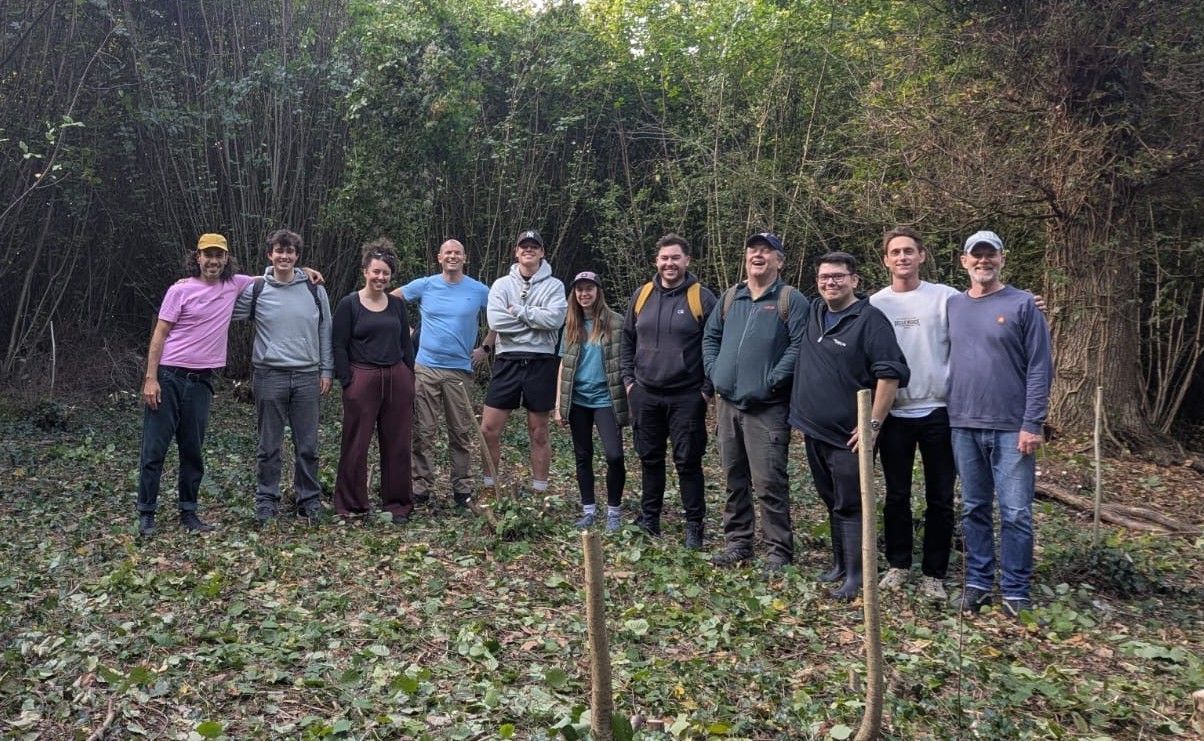
Sustainability, impact and integrity form the basis of Mesh's culture where creativity and fun are still very present. As part of this ethos, each year we hold a series of volunteering days for our team. 11 of our colleagues from as far afield as Portugal, Exeter and Bristol recently joined the Surrey Society to work with rangers at West Horsley Place – a 400-acre estate near Guildford – and help maintain some of their ancient woodland. The team lent a hand with ‘coppicing’. This practice involves felling a tree to create a living stump called a ‘stool’ which supports regrowth into new, fast-growing poles or rods. Regular cutting of the stools can extend the life of a tree for centuries, provide sustainable materials for a range of uses, and encourages biodiversity. Doug Johnson, Founding Director of Mesh: "We had a fantastic day in the fresh air which was followed by our monthly team meeting in the beautiful grounds and a social dinner afterwards. Thank you to the Surrey Society for giving us the opportunity to volunteer on another of their projects. This independent charity does some great work to encourage people to explore the outstanding landscape in Surrey. This fits so well with Mesh's sustainability values."