

Public and Community Buildings
Sadie Coles HQ, Mayfair
How we helped:
· Dynamic thermal modelling (IES VE) for different usage scenarios
· Heat loss and cooling load calculations by room
· RIBA Stage 3 and 4 MEP design and specification
· Passive cooling measures and ventilation strategy
· Futureproofing provision for supplementary heating
· BIM co-ordination
Heritage-sensitive building services design for a contemporary art gallery in London
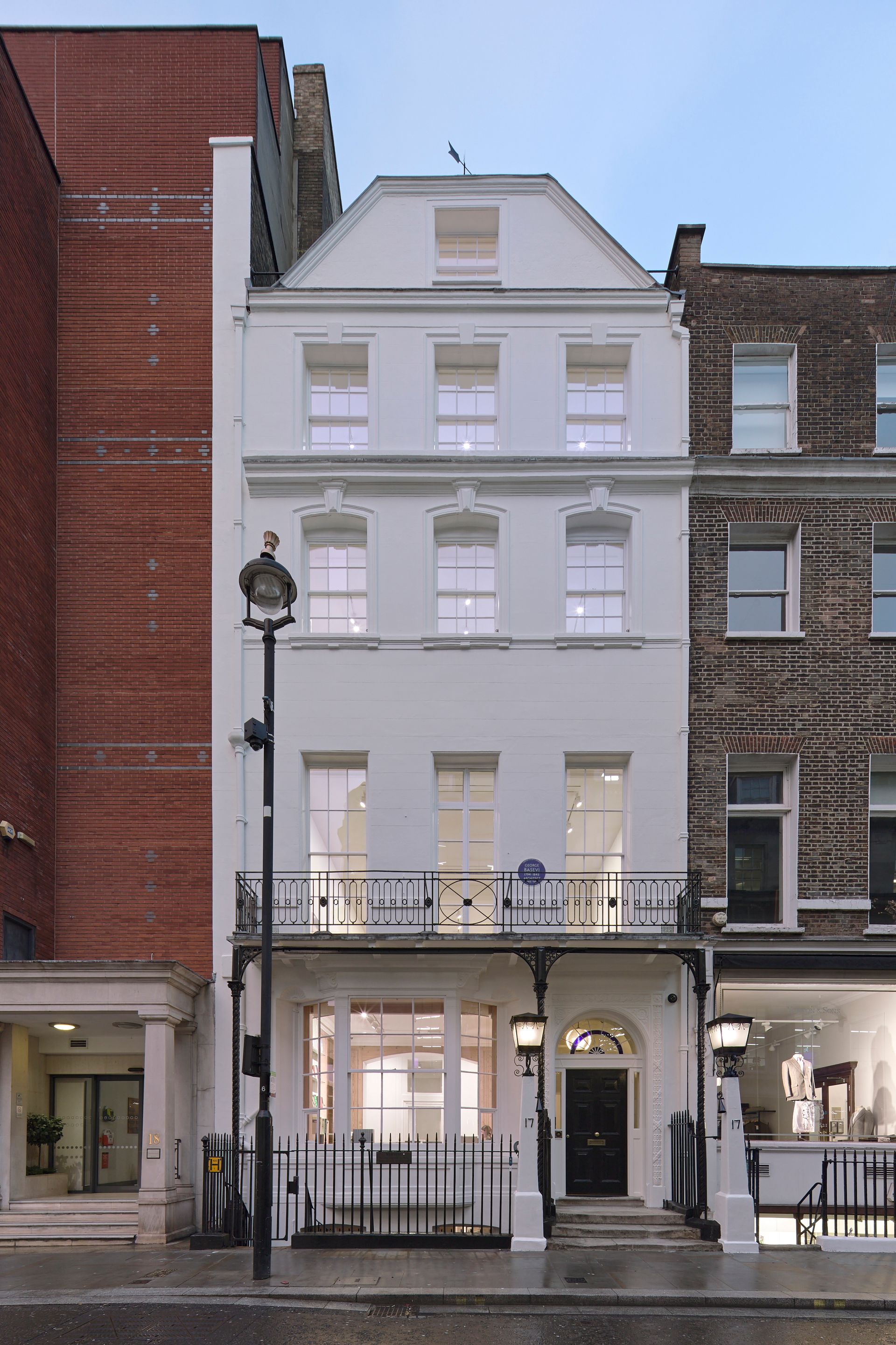
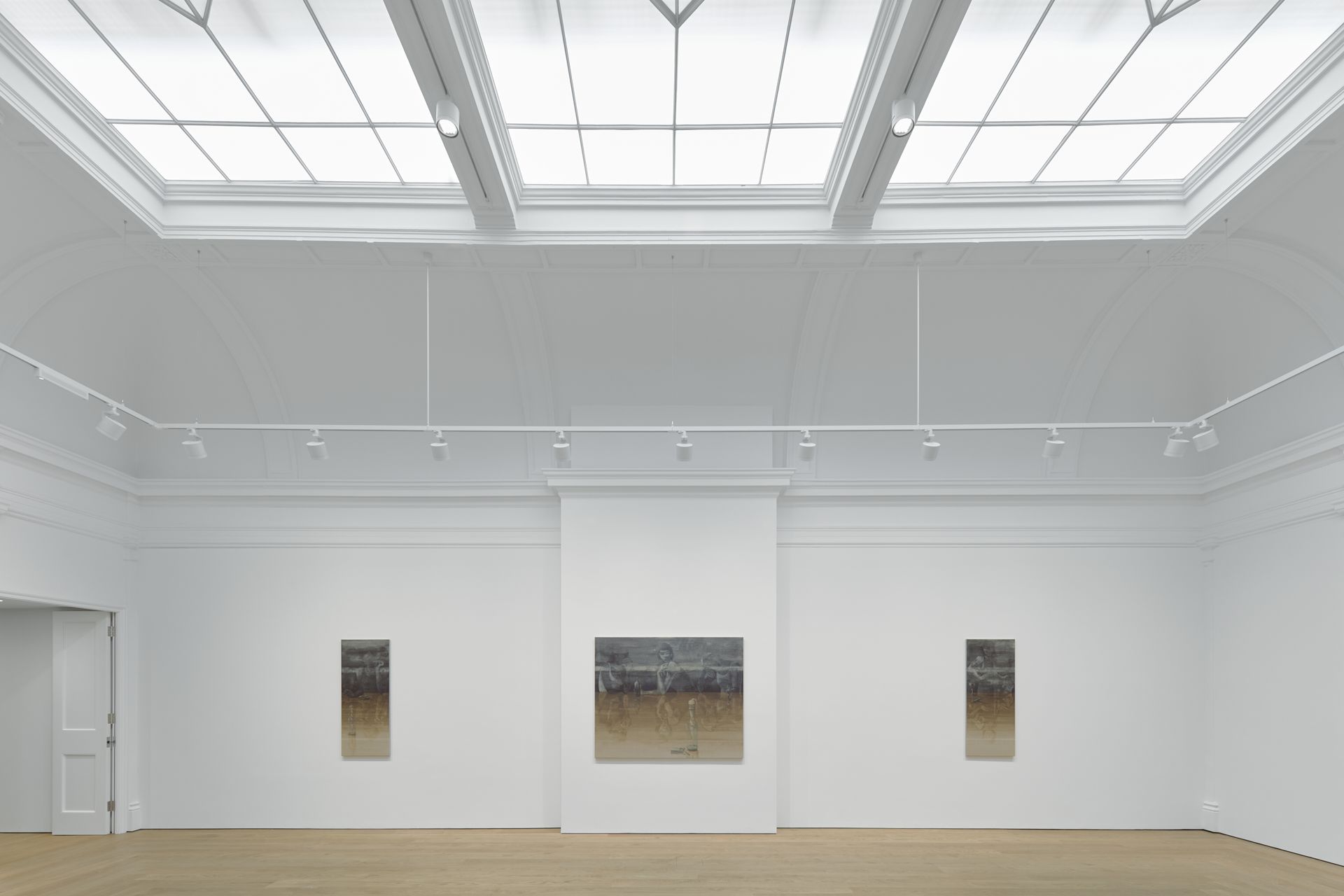
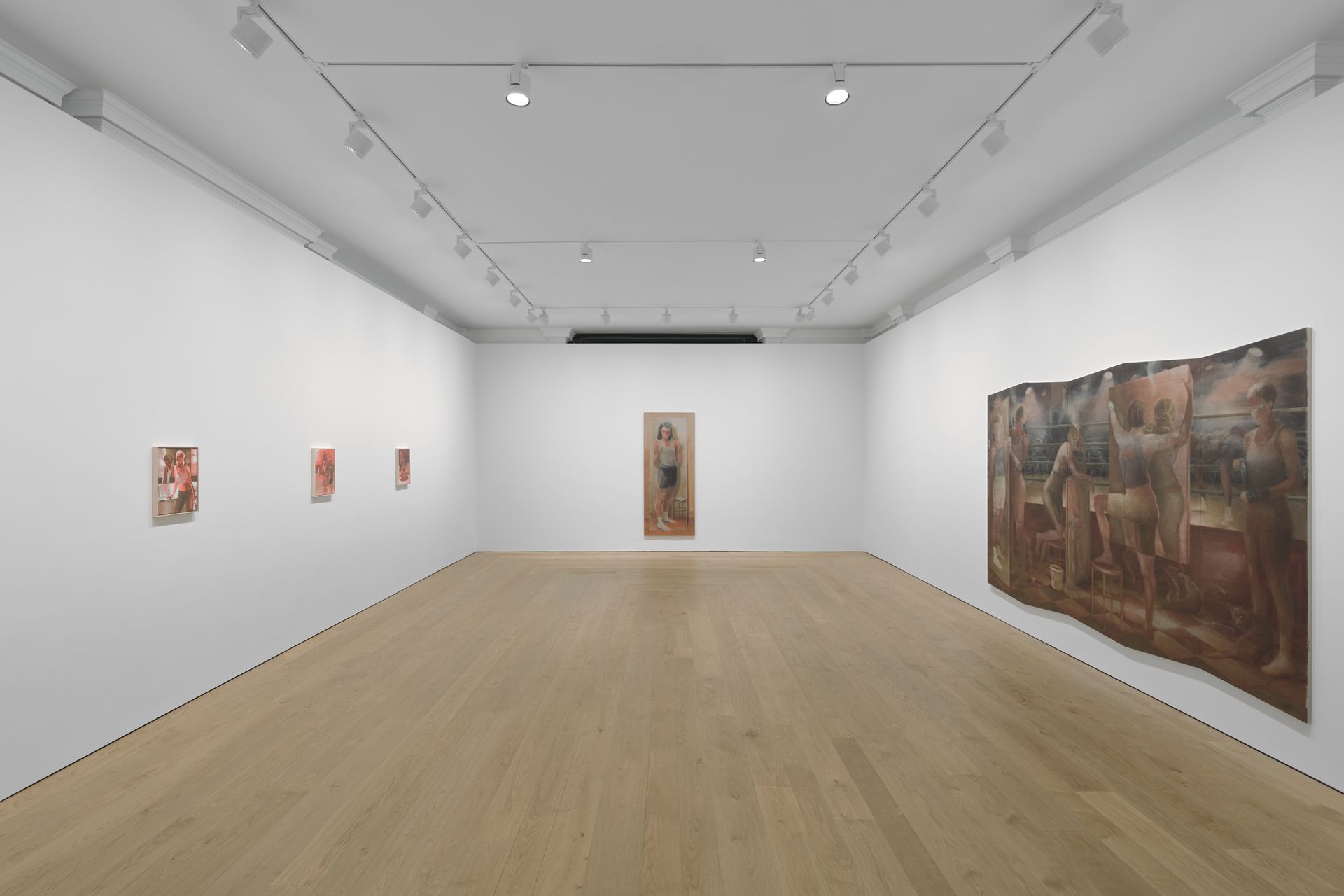
A six-storey Grade II listed Georgian townhouse in London’s Mayfair, which dates back to the 1730s, has been sensitively converted into 6,000sqft of contemporary galleries for Sadie Coles HQ.
The building, once home to the Burlington Fine Arts Club in the 19th century, had been bomb damaged in World War II and used as offices post-war. It has now been reinstated as a space for artists to exhibit their work in a part of London which has a long association with contemporary art.
Mesh was appointed to develop a holistic MEP building services strategy, from concept through to detailed design and in keeping with the character and constraints of this heritage building.
Services Engineering for a Heritage Setting
The key aim of the refurbishment project was to convert the building back into its historic art use and to reopen its principal spaces to the public, whilst working to a fast-track programme for the gallery’s opening to coincide with the Freize Art Fair.
Enhanced control of the internal environment was required to maintain visitor comfort all year round and in the context of continually fluctuating occupancy levels.
Working within a Grade II listed building required a highly considered approach at every stage. Historic architectural features were revealed and restored internally and externally and extensive structural improvements were required to accommodate art loadings. These factors had to be reflected in the services design and specification.
Early-stage Co-ordination for Services Design
Mesh’s work centred on:
- Assessing and modelling different use and occupancy scenarios to inform the building services design and deliver a flexible MEP solution
- Designing discrete but robust heating and cooling provision for the gallery areas
- Integrating modern environmental control systems for fluctuating occupancy levels and different uses for the spaces, including events for around 200 people
- Carefully co-ordinating MEP services through limited void spaces without impacting on the architectural features of the building or the layout of the galleries
- Consideration of tight tolerances, restricted access to route services and the vertical nature of this six-storey townhouse.
This involved early-stage co-ordination of the layout of services, presenting options for the specification of heating and cooling systems, and close collaboration with the design team to ensure feasibility and appropriate siting of the plant and equipment in line with planning requirements.
Modelling Different Usage Scenarios to Design Heating and Cooling
Mesh used dynamic thermal modelling for different scenarios of use and taking the shading from surrounding buildings and local weather patterns into consideration, to understand the heating and cooling loads required.
This allowed the services to be accurately sized for each room or gallery – with cooling being the priority – and for each area to be individually controlled according to occupancy levels.
An Integrated MEP Design Solution
- Mesh developed a smart engineering system using fan coil units to deliver both comfort cooling and heating.
- External condensing units were located at roof level in accordance with the stringent spatial and acoustic requirements of the existing planning approval. This limited the number, size, position and visual impact of the units when viewed from above. A conventional response would have been to add further external units to increase the cooling capacity. However, the planning constraints meant this was not a viable option.
Mesh’s solution was to develop a zoned system, matching each external unit to specific rooms based on anticipated occupancy, usage patterns and thermal demand. This allowed the available plant capacity to be used more effectively, whilst maintaining compliance with the planning requirements for the external plant arrangement. - The internal units for the heating and cooling system were sited and concealed in either walls or ceiling voids to maintain the clean lines of the gallery and preserve the architectural features.
Unobtrusive slot diffusers in the gallery ceilings were specified and follow the moveable lighting tracks to maintain a clean aesthetic whilst having the required capacity for high flow rates when the spaces are used for events.
This solution made the heating and cooling system visually indistinguishable from the lighting detail. - To futureproof the building, connection points were installed to accommodate electric radiators if there was a change of use that would require low-level heat in the winter months.
Passive Measures to Reduce Energy Consumption
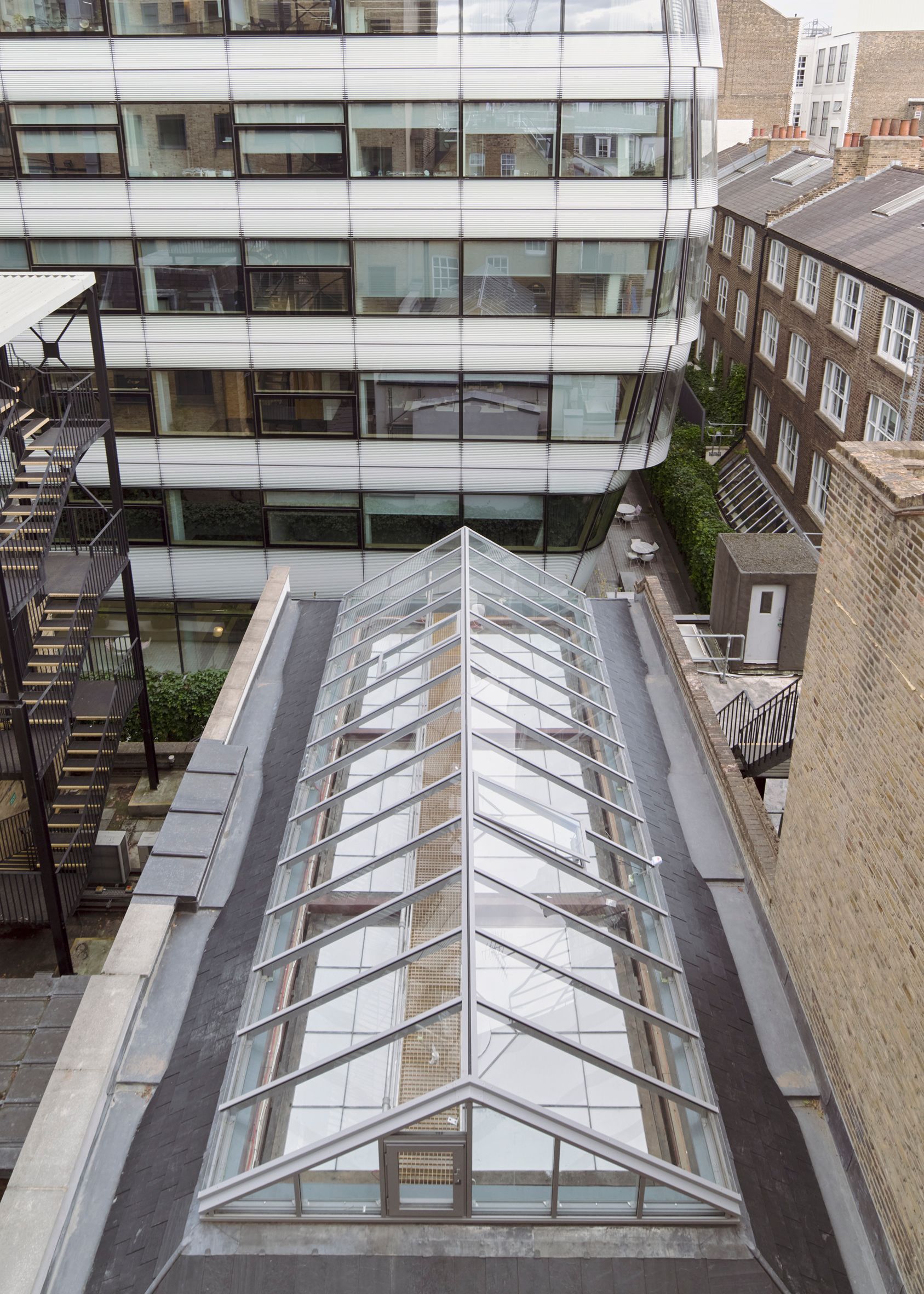
- A patent glazed roof in the main first-floor gallery was replaced as part of the refurbishment programme. A passive cooling solution was developed using actuated openable roof lights in the glazed lantern to better control visitor comfort and reduce heat gain by purging warm air during the day.
A glazed void above offsets heat build-up and reduces the reliance on the active cooling system. - Restored openable sash windows provide natural ventilation when needed.
The Project Team:
Client: Sadie Coles HQ
Lead contractor – design and delivery: Work Ltd
Architectural partner: Giles Reid Architects
MEP design / building performance: Mesh
Architectural images - Joseph Asghar