

The Tech Behind Low-Energy Commercial Projects: Solar, Storage, and Lighting
Doug Johnson

In this second blog on the technology behind low-energy commercial projects, I'll be exploring why solar PV, energy storage, EV charging systems, and LED lighting are crucial assets to any low-energy commercial building.
Solar PV systems
Solar PV systems harness sunlight to generate electricity, providing a clean and renewable energy source. Here's how they contribute to energy efficiency in commercial buildings:
Renewable energy generation: Solar PV systems generate electricity from the sun's rays, offering a sustainable and environmentally friendly power source. By utilising solar energy, commercial buildings can reduce their dependence on fossil fuels and decrease greenhouse gas emissions.
Cost savings: Solar PV systems can significantly reduce electricity costs for commercial buildings. With wholesale electricity prices having raised considerably over the last 12 months, by generating electricity on-site, businesses can offset a significant portion of their energy consumption from the grid. This leads to lower utility bills and long-term cost savings.
Peak demand management: Solar PV systems often produce the most electricity during peak daylight hours when energy demand is high. This aligns with commercial buildings' peak load periods, allowing them to reduce the amount of electricity drawn from the grid during costly peak demand periods.
Export metering: UK power companies offer export metering programs, allowing commercial buildings with solar PV systems to export excess electricity back to the grid and get paid for what they don’t use. This results in further reduced energy costs.
Environmental benefits: Solar PV systems significantly reduce carbon emissions and environmental impact by generating clean electricity. By adopting solar power, commercial buildings can demonstrate their commitment to sustainability and contribute to a greener future.
Rapid change in the UK is starting to occur with solar panel installations doubling in the last 12 months compared to the year before. Companies and individuals are waking up to the environmental and financial benefits of free solar energy as well as working out how to better manage it on site to really reduce net usage and increase company profit margins.
Energy storage
Battery systems store excess electricity generated by solar PV systems during the day for later use. This stored energy can be utilised during periods of low solar generation or during peak demand times, maximising self-consumption and reducing reliance on the grid.
Load shifting: Battery systems allow commercial buildings to shift energy consumption to off-peak hours, when electricity rates are lower. By discharging stored energy during high- demand periods, businesses can avoid expensive peak demand charges and further optimise their energy usage.
Backup power: In the event of a grid outage or power failure, battery systems can provide backup power to critical loads. This ensures uninterrupted operations for businesses that rely on continuous power supply, such as data centres, healthcare facilities, or emergency services.
Grid support and resilience: Battery systems can contribute to grid stability and resilience by providing services like frequency regulation and peak shaving. Commercial buildings can participate in demand response programs or sell excess stored energy back to the grid, potentially earning revenue and supporting the overall stability of the electrical grid.
Energy independence: By combining solar PV and battery systems, commercial buildings can enhance their energy independence. They can generate and store their own clean energy, reducing reliance on the grid and providing a level of energy security and control over electricity costs.
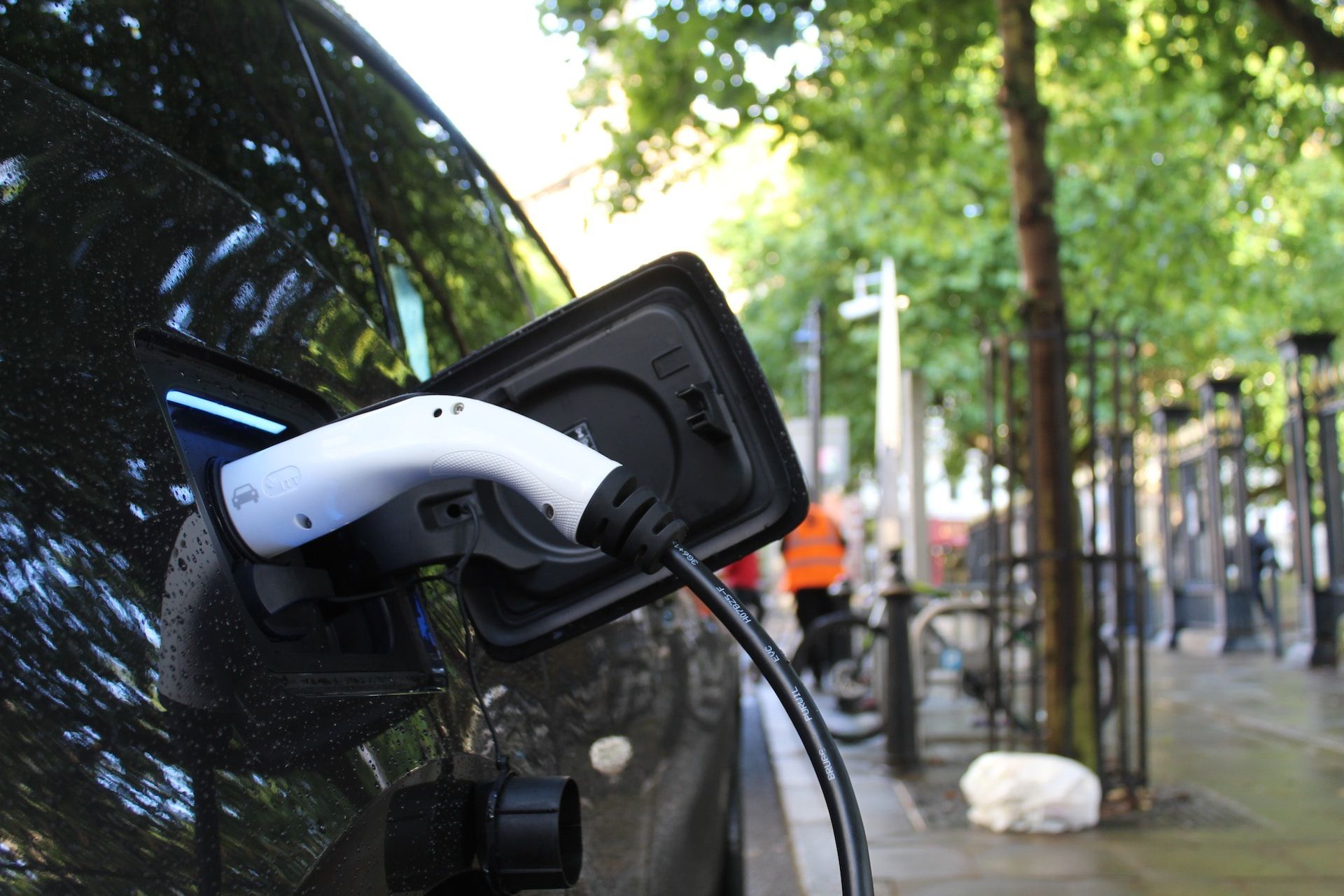
Electric vehicle (EV) charging systems
With the increasing adoption of electric vehicles, commercial buildings are incorporating EV charging infrastructure to support employees, visitors, and customers who own electric vehicles. Energy-efficient EV charging systems focus on optimising the charging process and reducing overall energy consumption. Some key features include:
Smart charging: EV charging systems can be equipped with smart charging capabilities that allow for load management, optimising charging schedules based on energy demand and grid availability. This helps balance the power load and reduce peak demand charges.
Energy metering and monitoring: EV charging systems often include energy metering and monitoring features, providing data on electricity consumption. This enables building managers to track energy usage, analyse patterns, and implement energy-saving measures.
Renewable energy integration:
Integrating EV charging stations with renewable energy sources, such as solar panels or wind turbines, allows for the utilisation of clean and sustainable energy for charging electric vehicles, reducing dependence on the grid and minimising environmental impact.
LED lighting
LED (Light-Emitting Diode) lighting technology has revolutionised energy-efficient lighting in commercial buildings. Compared to traditional incandescent or fluorescent lighting, LED lighting offers several benefits, including:
Energy efficiency: LEDs are highly energy-efficient, consuming significantly less electricity than conventional lighting options. They convert a higher percentage of electrical energy into visible light, resulting in reduced energy consumption and lower electricity bills.
Long lifespan: LED lights have an extended operational lifespan compared to traditional lighting sources. This reduces the frequency of bulb replacements, saving maintenance costs and reducing waste.
Directional lighting: LEDs emit light in specific directions, allowing for more focused illumination and reducing light wastage. This targeted lighting minimises the need for additional fixtures and enhances energy efficiency.
Dimming and control: LED lights can be easily dimmed and controlled, enabling precise adjustment of lighting levels based on occupancy, daylight availability, and specific needs. This flexibility helps optimise energy usage and enhances user comfort.
Instant on/off: LEDs provide instant illumination without warm-up time, allowing for immediate response to lighting demands and avoiding energy waste caused by lights being left on unnecessarily.
Environmental benefits: LED lighting is free from toxic materials like mercury, making them more environmentally friendly. Additionally, their long lifespan and energy efficiency contribute to reduced carbon emissions and overall sustainability.
SHARE THIS POST WITH YOUR NETWORK



Reducing the Environmental Impact of our Business and Supporting Global Carbon Reduction Initiatives